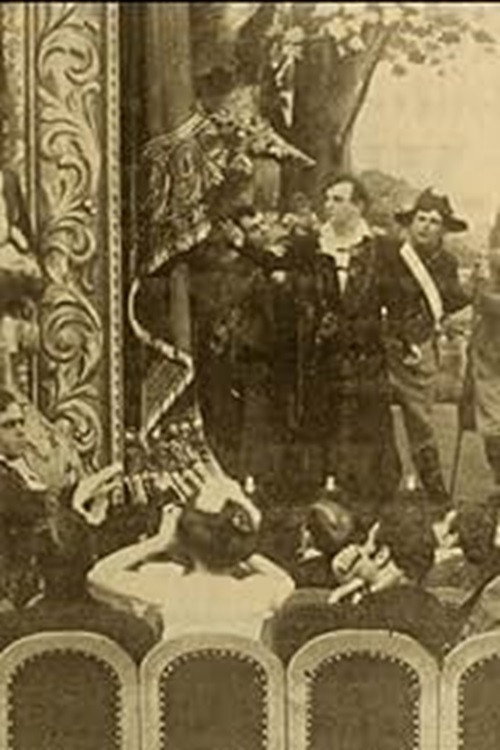
Kean 1910
Step into the world of 19th-century London with Kean, a cinematic adaptation of Alexandre Dumas' play. This 1910 film, directed by Holger Rasmussen, tells the story of a versatile actor who navigates the complexities of love and social hierarchy with ease.
Director: Holger Rasmussen
Cast
Frequently Asked Questions
What is Kean (1910) about?
Kean is a film about the complexities of love and social hierarchy, as a versatile actor navigates the lives of artists and aristocrats in 19th-century London.
Who directed Kean?
Kean was directed by Holger Rasmussen, a Dane known for his contributions to the early days of cinema.
Who stars in Kean?
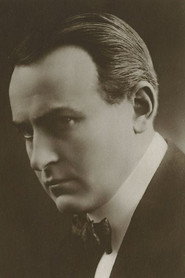
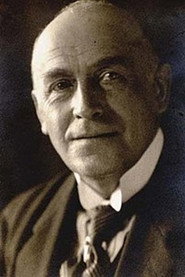
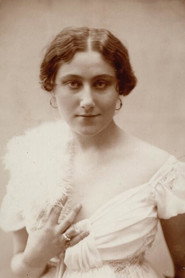
Martinius Nielsen, Einar Zangenberg, and Agnes Nyrop Christensen headline the cast of this early film.
Is Kean (1910) worth watching?
While Kean may not be as well-known today, its unique perspective on art and society makes it a thought-provoking and visually engaging experience worth watching.
How long is Kean?
Kean has a runtime of 11 minutes.
About Kean (1910) — A Cinematic Portrait of Art and Society
Step into the world of 19th-century London with Kean, a cinematic adaptation of Alexandre Dumas' play. This 1910 film, directed by Holger Rasmussen, tells the story of a versatile actor who navigates the complexities of love and social hierarchy with ease. As he effortlessly glides between high society and the city's pubs, Kean becomes entangled in a complicated web of infatuations and relationships. With its focus on themes of class, love, and identity, Kean offers a glimpse into the lives of artists and aristocrats in 1830s London.
The film features a talented cast, including Martinius Nielsen and Einar Zangenberg, who bring depth and nuance to their respective roles. With its short runtime of 11 minutes, Kean is a thought-provoking and visually engaging experience that invites viewers to reflect on the nature of art and society.
While Kean may not be as well-known today as some of its contemporaries, it remains an important work in the history of cinema, offering a unique perspective on the lives of artists and intellectuals in 19th-century Europe.