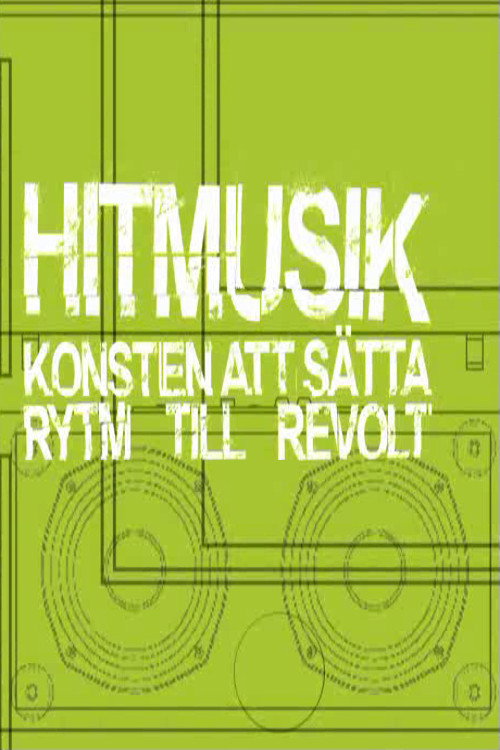
Hitmusik: Konsten att sätta rytm till revolt 2006
Dive into the powerful beats and bold voices of *Hitmusik: Konsten att sätta rytm till revolt (2006)*, a gripping documentary that explores how music and feminism have collided across decades.
Director: Anna Klara Åhrén
Cast



Frequently Asked Questions
What is *Hitmusik: Konsten att sätta rytm till revolt* (2006) about?
This documentary traces the history of feminism in music, spotlighting how women have used rhythm and lyrics to challenge societal norms from the 1970s to the present. It blends interviews, performances, and archival footage to showcase the power of female voices in shaping cultural revolutions.
Who directed *Hitmusik: Konsten att sätta rytm till revolt*?
The film was directed by Anna Klara Åhrén, a filmmaker known for her work in documenting music and social movements.
Who stars in *Hitmusik: Konsten att sätta rytm till revolt*?
The documentary features key figures like Kaya Ålander, Gunilla Szemenkar, Linton Kwesi Johnson, and Leia Gärtner, alongside other influential artists.
Is *Hitmusik: Konsten att sätta rytm till revolt* (2006) worth watching?
With its sharp focus on music and feminism, this 28-minute documentary offers a concise yet impactful look at a vital cultural conversation. While it may lack a rated score, its themes and accessible runtime make it a compelling watch for fans of music history and social commentary.
How long is *Hitmusik: Konsten att sätta rytm till revolt*?
The runtime is 28 minutes.
About Hitmusik: Konsten att sätta rytm till revolt (2006) — A 28-minute documentary on feminist music through the decades
Dive into the powerful beats and bold voices of *Hitmusik: Konsten att sätta rytm till revolt (2006)*, a gripping documentary that explores how music and feminism have collided across decades. Directed by Anna Klara Åhrén, this 28-minute film traces the evolution of women's voices in music, from the rebellious anthems of the 1970s to the modern-day clash of genres and messages. With a blend of archival footage, interviews, and raw performances, it paints a vivid portrait of resilience, creativity, and the unshakable spirit of those who dared to challenge norms while setting the rhythm for change.
Through intimate conversations with artists like Kaya Ålander and Gunilla Szemenkar, and featuring influential figures such as Linton Kwesi Johnson, the documentary captures the electrifying energy of feminist music. Åhrén crafts an atmosphere that's both nostalgic and urgent, highlighting how each era's struggles and triumphs have shaped the sounds we hear today. Whether you're a music lover, a feminist history enthusiast, or simply curious about the intersection of art and activism, this film offers a compelling look at how rhythm can become a weapon—and a celebration—of revolt.