skett? 2001
Dive into the raw, unfiltered world of *skett? (2001)*, a hauntingly brief experimental short directed by Karen Miranda Augustine.
Director: Karen Miranda Augustine
Frequently Asked Questions
What is skett? (2001) about?
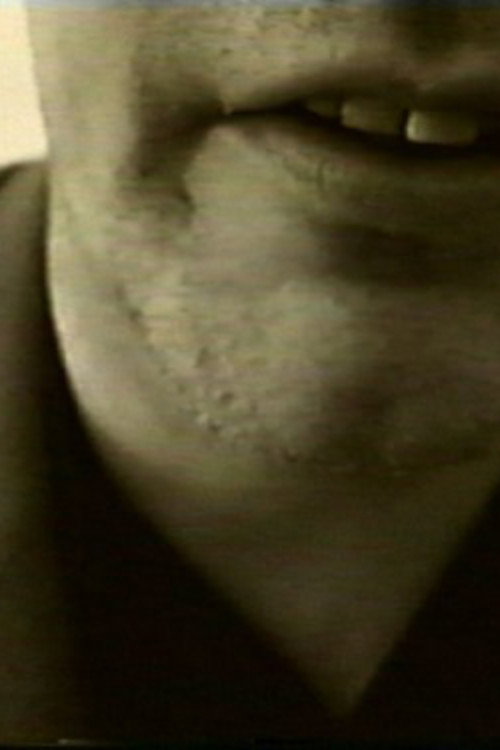
*skett? (2001)* is a silent, three-minute experimental short that examines how the absence of a father can shape compulsive behaviors in women. Using West Indian slang, it paints a stark picture of desire and emptiness without relying on dialogue.
Who directed skett??
Karen Miranda Augustine is at the helm of *skett? (2001)*, bringing a bold and uncompromising vision to this intense short film.
Who stars in skett??
Cast details for *skett? (2001)* are not listed, but the film's power lies in its visual storytelling rather than individual performances.
Is skett? (2001) worth watching?
Despite its brevity, *skett? (2001)* is a thought-provoking watch for those interested in experimental cinema and social themes. Its unrated status leaves room for interpretation, but its impact is undeniable—if you're into raw, atmospheric films.
How long is skett??
*skett? (2001)* clocks in at just three minutes, a blink-and-you-miss-it experience that packs an emotional punch.
About skett? (2001) — A Raw, Silent Short on Fatherlessness and Compulsion
Dive into the raw, unfiltered world of *skett? (2001)*, a hauntingly brief experimental short directed by Karen Miranda Augustine. This silent, visceral exploration delves into the repercussions of fatherlessness and its eerie link to female sexual compulsion, using a West Indian slang term—"skett"—to frame its unflinching narrative. The film's stark atmosphere and evocative imagery strip away dialogue, leaving viewers immersed in an emotional landscape where absence speaks louder than words.
Set against a backdrop of cultural and personal tension, *skett? (2001)* challenges viewers to confront uncomfortable themes with sensitivity and depth. Augustine's direction crafts a visual poem that lingers long after the three-minute runtime, blurring the lines between voyeurism and empathy. It's a provocative piece that invites reflection on societal norms and the quiet battles fought in silence.