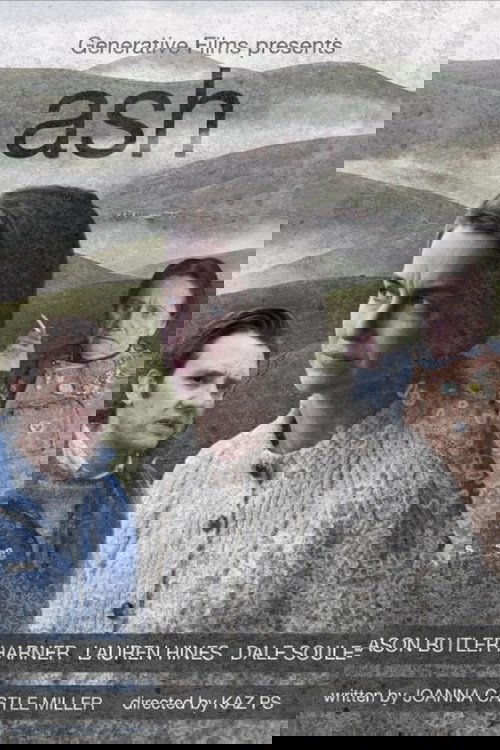
Ash 2017
A hauntingly brief drama, *Ash (2017)* directed by Kaz Ps, unpacks a real-life tragedy where unchecked industrial waste poisoning devastates a tight-knit community.
Director: Kaz Ps
Cast




Frequently Asked Questions
What is Ash (2017) about?
*Ash (2017)* examines the aftermath of a community poisoned by reckless coal ash disposal, focusing on one woman's fight to escape its grip. As she grapples with grief and displacement, an ambitious energy executive enters her life—offering a dangerous bargain that could either save her or tie her to the town's suffering forever.
Who directed Ash?
Kaz Ps is at the helm of *Ash (2017)*, crafting a compact yet powerful narrative rooted in fact.
Who stars in Ash?
The film features standout performances from Lauren Hines, Jason Butler Harner, Dale Soules, La Daniella, and Frank De Julio.
Is Ash (2017) worth watching?
As an unrated short drama, *Ash (2017)* shines with thematic depth and emotional urgency, despite its brief runtime. Its gripping story and strong cast make it a compelling watch for fans of thought-provoking, issue-driven cinema.
How long is Ash?
The film runs for 8 minutes.
About Ash (2017) — A Short Drama Rooted in Environmental Tragedy
A hauntingly brief drama, *Ash (2017)* directed by Kaz Ps, unpacks a real-life tragedy where unchecked industrial waste poisoning devastates a tight-knit community. The story follows a grieving widow as she confronts not only the loss of her loved ones but also the lingering specter of environmental negligence. Her journey collides with a persuasive energy executive, whose solutions may offer redemption—or just another layer of deception. Shot in under 10 minutes, this short film packs emotional weight and moral complexity into a compact, atmospheric experience.
Set against the backdrop of a town choked by toxic ash, *Ash (2017)* weaves themes of survival, betrayal, and the human cost of progress. The stark cinematography and grounded performances by Lauren Hines and Jason Butler Harner amplify the film's raw intensity, making it a memorable exploration of guilt and resilience in the face of systemic failure.