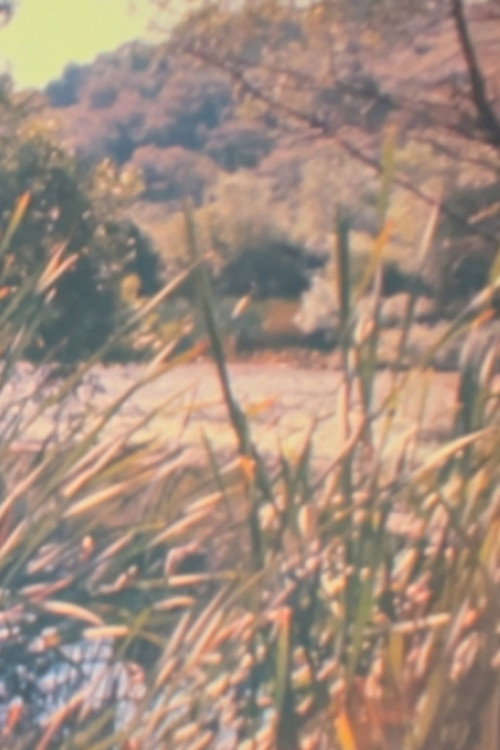
Die 1966
John Luther Schofill's Die (1966) is a daring, five-minute silent meditation that explores the raw, unfiltered experience of consciousness beyond the threshold of life.
Director: John Luther Schofill
Frequently Asked Questions
What is Die (1966) about?
Die is a silent, uncut experimental film that follows a man's heightened sensory experience as he confronts the threshold of life and death. The work focuses on tactile discovery and perceptual expansion, culminating in a mystical dissolution of the ego into a broader, more primal state of being.
Who directed Die?
Die was directed by John Luther Schofill, an avant-garde filmmaker known for his unconventional, sensory-rich explorations of consciousness and perception.
Who stars in Die?
Cast details for Die (1966) are not publicly listed.
Is Die (1966) worth watching?
Though unrated and obscure, Die stands out as a bold, atmospheric experiment in sensory cinema. Its concise 5-minute runtime makes it accessible, while its themes of mysticism and perceptual awakening may appeal to fans of avant-garde and experimental film.
How long is Die?
Die (1966) has a runtime of 5 minutes.
About Die (1966) — A Silent Meditation on Consciousness Past Death
John Luther Schofill's Die (1966) is a daring, five-minute silent meditation that explores the raw, unfiltered experience of consciousness beyond the threshold of life. Unbroken by cuts, the film immerses viewers in a tactile and sensory journey where a man rediscovers the world through a heightened, almost erotic perception of touch and sight. The final sequence builds to a profound climax—a dissolution of the self into something vast and timeless, a fleeting glimpse of what lies beyond ego and identity.
Schofill's avant-garde approach strips away narrative convention, replacing it with a hypnotic visual flow that lingers like a dream upon waking. The work feels both ancient and radically modern, as if channeling a primal understanding of existence where the earth itself becomes a lover and the body a vessel for revelation. Die (1966) is less a film than a sensory experience—a brief but unforgettable portal into the mystic.