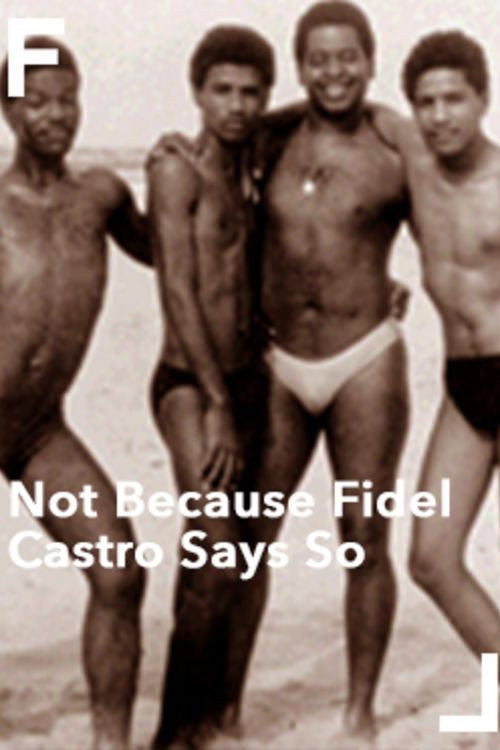
Not Because Fidel Castro Says So 1988
A groundbreaking 1988 short documentary, *Not Because Fidel Castro Says So* offers a raw, unfiltered glimpse into the lives of LGBTQ+ individuals in Cuba during a pivotal era.
Director: Graciela Sanchez
Frequently Asked Questions
What is *Not Because Fidel Castro Says So* (1988) about?
This short documentary delves into the lives of LGBTQ+ individuals in Cuba, examining how political ideology and religious dogma shaped their struggles. It's a raw, eye-opening look at marginalization in a society often celebrated for its progressive policies.
Who directed *Not Because Fidel Castro Says So*?
Graciela Sanchez helmed this 1988 documentary, marking one of her earliest works in socially conscious filmmaking.
Who stars in *Not Because Fidel Castro Says So*?
The film features real-life stories and testimonies from Cuban LGBTQ+ individuals, though specific cast names are not listed in available records.
Is *Not Because Fidel Castro Says So* (1988) worth watching?
As an influential historical document, the film holds immense value for those interested in LGBTQ+ rights, Cuban politics, or revolutionary-era cinema. Its brevity and authenticity make it a compelling watch despite its unrated status.
How long is *Not Because Fidel Castro Says So*?
The film runs for 10 minutes, offering a concise yet impactful exploration of its themes.
About Not Because Fidel Castro Says So (1988) — Cuba's LGBTQ+ Struggle in a Revolutionary Era
A groundbreaking 1988 short documentary, *Not Because Fidel Castro Says So* offers a raw, unfiltered glimpse into the lives of LGBTQ+ individuals in Cuba during a pivotal era. Directed by Graciela Sanchez, this ten-minute film peels back layers of Cuba's revolutionary ideals to expose the complex interplay between politics, religion, and sexual identity.
Set against the backdrop of Fidel Castro's regime and the deep-rooted influence of the Spanish Catholic Church, the documentary fearlessly explores how homophobia became embedded in Cuban society. With sensitivity and directness, it captures personal stories that challenge the revolution's official narratives, making it a vital piece of LGBTQ+ cinema and political history. The film's candid approach leaves viewers with a haunting impression of resilience and the enduring struggle for acceptance.