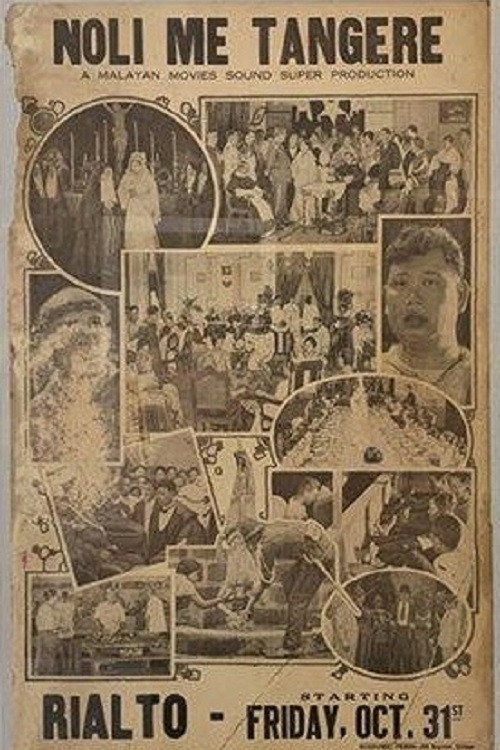
Noli Me Tangere 1939
Noli Me Tangere (1939), directed by the visionary Jose Nepomuceno, stands as the first Filipino cinematic adaptation of Jose Rizal's groundbreaking novel.
Director: Jose Nepomuceno
Cast
Frequently Asked Questions
What is Noli Me Tangere (1939) about?
This historical drama follows the struggles of Filipinos under Spanish colonial rule, inspired by Jose Rizal's iconic novel. It explores themes of oppression, love, and rebellion through compelling characters fighting for justice in a turbulent era.
Who directed Noli Me Tangere?
Noli Me Tangere was directed by Jose Nepomuceno, a pioneer in Philippine cinema known for his contributions to early Filipino filmmaking.
Who stars in Noli Me Tangere?
The film features Chito Calvo, Monang Carvajal, and Celia Marcaida in pivotal roles that bring Rizal's characters to life.
Is Noli Me Tangere (1939) worth watching?
As a historical and cultural landmark, Noli Me Tangere offers a fascinating glimpse into early Filipino cinema and the themes of Rizal's novel. While its age may show, its significance as a pioneering film makes it a must-see for history and cinema enthusiasts.
How long is Noli Me Tangere?
Runtime details are not listed for this 1939 film.
About Noli Me Tangere (1939) — The First Filipino Film Adaptation of Rizal's Masterpiece
Noli Me Tangere (1939), directed by the visionary Jose Nepomuceno, stands as the first Filipino cinematic adaptation of Jose Rizal's groundbreaking novel. This historical drama transports viewers to 19th-century Philippines, where the oppressive grip of colonial rule clashes with the fiery ideals of liberty and justice. The film weaves a powerful narrative around the struggles of a people yearning for change, framed by rich period details and emotional depth. With Chito Calvo, Monang Carvajal, and Celia Marcaida leading a talented cast, Nepomuceno crafts a visually striking and thematically resonant cinematic experience that lingers long after the credits roll.
Set against a backdrop of social upheaval and personal sacrifice, Noli Me Tangere (1939) captures the raw intensity of Rizal's literary masterpiece through the lens of early Filipino filmmaking. The story unfolds with a mix of tension and melancholy, as characters confront moral dilemmas and the weight of history. Its enduring significance lies not just in being a cinematic milestone, but in its ability to provoke thought about sacrifice, resistance, and the human spirit.