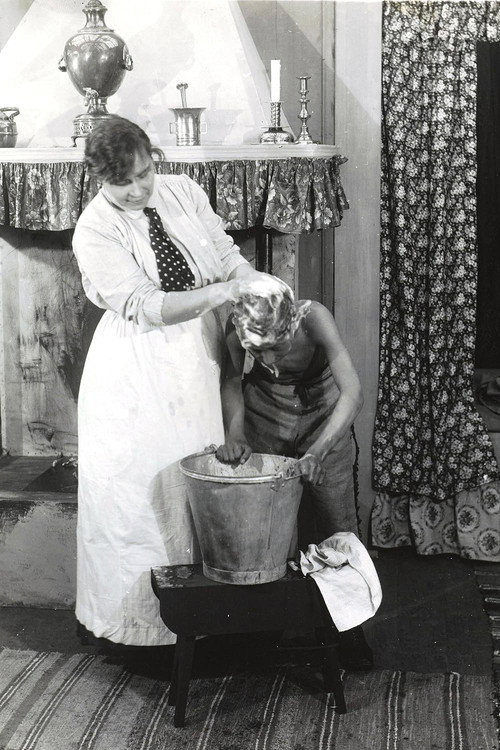
Æresgjesten 1919
Set in the early 20th century, Æresgjesten (1919) is a gripping drama that delves into the complexities of love, loyalty, and deception.
Director: Peter Lykke-Seest
Cast
Frequently Asked Questions
What is Æresgjesten (1919) about?
Æresgjesten (1919) is a drama that follows the story of a widowed woman who becomes embroiled in a complex web of love, loyalty, and deception.
Who directed Æresgjesten?
Æresgjesten was directed by the talented Peter Lykke-Seest.
Who stars in Æresgjesten?
The film features a talented cast, including Esben Lykke-Seest, Arthur Barking, and Helen Storm.
Is Æresgjesten (1919) worth watching?
While Æresgjesten (1919) may not have a high IMDb rating, its gripping storyline and well-developed characters make it a must-watch for fans of crime dramas and silent cinema.
How long is Æresgjesten?
Æresgjesten has a runtime of 53 minutes.
About Æresgjesten (1919) — A Gripping Silent Film of Love, Loyalty, and Deception
Set in the early 20th century, Æresgjesten (1919) is a gripping drama that delves into the complexities of love, loyalty, and deception. Directed by the visionary Peter Lykke-Seest, this Norwegian silent film masterfully weaves a tale of intrigue, as a widowed Klara James becomes the object of affection for Captain Frank. However, her social standing is threatened by the presence of a mysterious count, who is later revealed to be a spy. As the plot thickens, Æresgjesten takes viewers on a thrilling ride, exploring themes of class, morality, and the blurred lines between truth and deception. With a runtime of 53 minutes, this classic film is a must-watch for fans of crime dramas and silent cinema.
As the story unfolds, we are introduced to a cast of intriguing characters, including Esben Lykke-Seest, Arthur Barking, and Helen Storm. With its blend of drama and crime, Æresgjesten is a film that will keep you on the edge of your seat, guessing until the very end. So, if you're looking for a classic film that will challenge your perceptions and keep you entertained, look no further than Æresgjesten (1919).