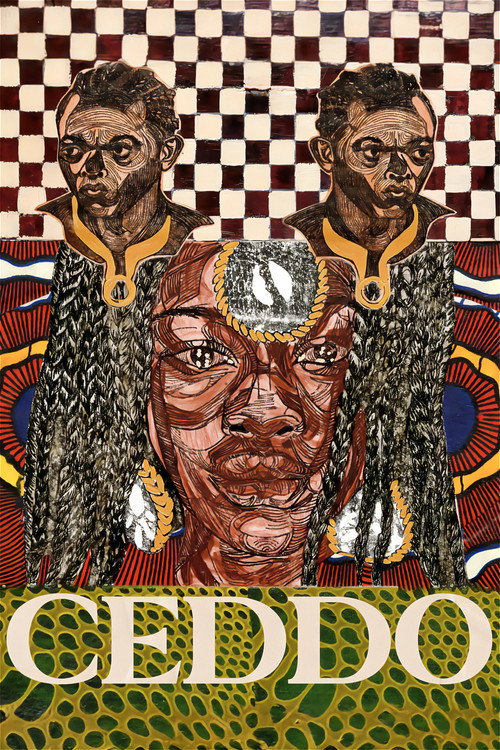
Ceddo 1978
In *Ceddo (1978)*, visionary Senegalese filmmaker **Ousmane Sembène** crafts a powerful drama set against the turbulent backdrop of 17th-century West Africa, where the Ceddo people resist the cultural erasure imposed by Islam, Christianity, and the transatlantic slave trade.
Director: Ousmane Sembène
Cast

Frequently Asked Questions
What is Ceddo (1978) about?
*Ceddo (1978)* follows the Ceddo people's fierce struggle to protect their ancestral customs from the encroaching influences of Islam, Christianity, and the slave trade. Their rebellion peaks when King Demba War aligns with Muslim factions, prompting the Ceddo to abduct his daughter, Princess Dior Yacine, as a protest against forced conversion.
Who directed Ceddo?
The film was directed by the legendary **Ousmane Sembène**, a pioneering Senegalese filmmaker known for his socially conscious storytelling and commitment to African cinema.
Who stars in Ceddo?
The film features standout performances from **Mamadou Dioumé**, **Tabata Ndiaye**, **Moustapha Yade**, and **Ismaila Diagne**, alongside director Ousmane Sembène.
Is Ceddo (1978) worth watching?
Absolutely—if you appreciate bold, politically charged dramas with deep historical roots. As a classic of African cinema, *Ceddo (1978)* delivers a gripping narrative about resistance and identity, making it essential viewing for fans of thought-provoking films.
How long is Ceddo?
The film runs for **117 minutes**, offering a concise yet immersive cinematic experience.
About Ceddo (1978) — A Bold African Epic That Challenges Tradition and Oppression
In *Ceddo (1978)*, visionary Senegalese filmmaker **Ousmane Sembène** crafts a powerful drama set against the turbulent backdrop of 17th-century West Africa, where the Ceddo people resist the cultural erasure imposed by Islam, Christianity, and the transatlantic slave trade. The film's atmosphere crackles with tension as the Ceddo community, led by determined figures like Mamadou Dioumé, clashes with King Demba War, who betrays their traditions by favoring Muslim converts. The kidnapping of Princess Dior Yacine becomes a bold act of defiance, symbolizing the struggle to preserve indigenous identity amid relentless outside forces. Sembène's unflinching lens captures the raw emotions of resistance, betrayal, and survival, making *Ceddo (1978)* a landmark in African cinema that resonates with timeless themes of autonomy and heritage.
Sembène's direction is complemented by a cast that brings depth to this historical narrative. With performances from Ousmane Sembène himself, Tabata Ndiaye, and Moustapha Yade, the film blends political urgency with deeply human drama. Viewers are transported to a world where faith, power, and tradition collide, leaving an indelible mark on the soul. *Ceddo (1978)* isn't just a film—it's a cinematic manifesto for those who dare to challenge oppression.