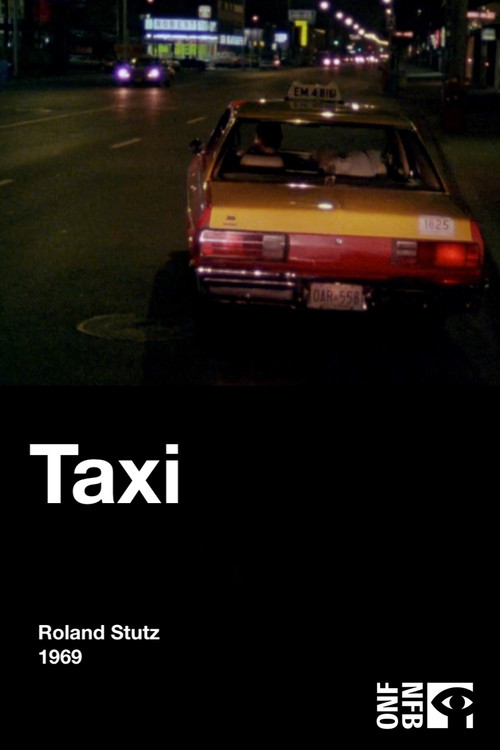
Taxi 1969
In Roland Stutz's frenetic short film *Taxi (1969)*, legendary Quebecois performer Claude Léveillée steps into the role of a beleaguered taxi driver navigating the relentless chaos of urban traffic.
Director: Roland Stutz
Frequently Asked Questions
What is Taxi (1969) about?
*Taxi (1969)* follows a frustrated taxi driver as he battles the relentless obstacles of city traffic, turning an ordinary commute into a high-energy spectacle of motion and frustration. Through rapid camera work and musical flair, the short film captures the absurdity and stress of urban life behind the wheel.
Who directed Taxi?
Director information is not available.
Who stars in Taxi?
The short film stars legendary Quebecois artist Claude Léveillée, whose performance drives the film's frenetic energy.
Is Taxi (1969) worth watching?
While *Taxi (1969)* is a brief experiment, its innovative visual style and Léveillée's charismatic presence make it a standout entry in Canadian short cinema. Fans of experimental or comedic films may appreciate its unique take on urban frustration.
How long is Taxi?
The film runs approximately 2 minutes in runtime.
About Taxi (1969) — A Two-Minute Whirlwind Through Downtown Chaos
In Roland Stutz's frenetic short film *Taxi (1969)*, legendary Quebecois performer Claude Léveillée steps into the role of a beleaguered taxi driver navigating the relentless chaos of urban traffic. Shot in a whirlwind of accelerated camera movements, the film immerses viewers in a visceral experience that mirrors the driver's mounting frustration and fury behind the wheel. The vibrant energy of downtown streets becomes a surreal obstacle course, where every turn and traffic light amplifies the sense of being trapped in a high-speed game of cat and mouse. Combining sharp comedic timing with musical flair, *Taxi* transforms a mundane daily grind into a visually dynamic commentary on modern life's pressures.
A snapshot of 1960s urban culture, *Taxi (1969)* blends slapstick humor with a touch of existential dread, capturing the absurdity of modern existence. Léveillée's expressive performance and Stutz's inventive direction turn what could have been a simple sketch into a memorable snapshot of mid-century Canadian cinema. Its brevity belies its impact—a whirlwind two-minute ride that lingers in the mind long after the credits roll.