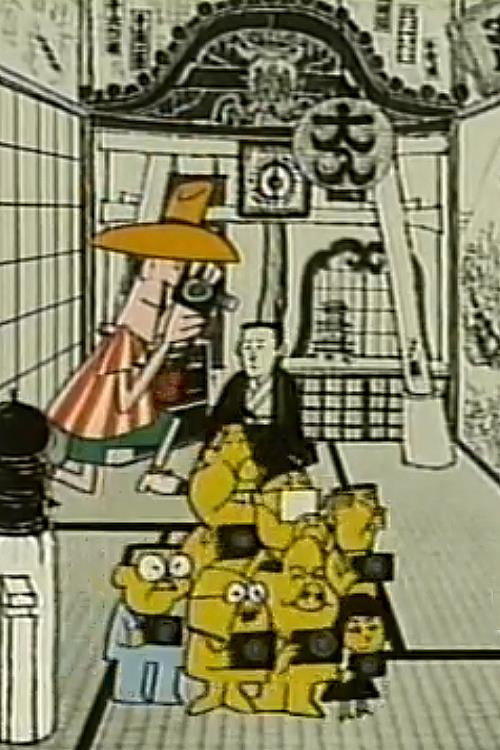
Made in Japan 1972
A biting 1972 animated short by Renzo Kinoshita, *Made in Japan* delivers a sharp, non-narrative critique of the nation's post-war economic rise and looming recession.
Director: Renzo Kinoshita
Frequently Asked Questions
What is Made in Japan (1972) about?
*Made in Japan* is a non-narrative animated short that uses surreal imagery to critique Japan's post-war economic boom and its unsustainable growth. The film personifies the country as an "economic animal," highlighting the pressures of productivity and the looming risk of recession. Its abstract style invites viewers to interpret its themes rather than follow a traditional plot.
Who directed Made in Japan?
Renzo Kinoshita directed *Made in Japan* (1972), a short animation renowned for its sharp social commentary.
Who stars in Made in Japan?
Cast details for *Made in Japan* are not publicly listed.
Is Made in Japan (1972) worth watching?
While obscure, *Made in Japan* is a fascinating watch for fans of experimental animation and political cinema. Its nine-minute runtime and bold themes make it a unique piece of 1970s Japanese art, even if it lacks mainstream appeal. For those curious about early animated satire, it's a hidden gem worth tracking down.
How long is Made in Japan?
*Made in Japan* runs for 9 minutes.
About Made in Japan (1972) — A Bold 9-Minute Animated Satire on Japan's Economic Rise
A biting 1972 animated short by Renzo Kinoshita, *Made in Japan* delivers a sharp, non-narrative critique of the nation's post-war economic rise and looming recession. Clocking in at just nine minutes, this abstract piece blends surreal visuals with biting satire, personifying Japan as an "economic animal" fueled by relentless productivity and ambition. The film's dreamlike animation and unflinching tone capture the duality of progress and fragility, foreshadowing the financial turmoil that would grip the 1970s. Though brief, *Made in Japan* remains a fascinating time capsule of cultural anxiety, blending artistry with social commentary in a way that feels eerily prescient.
The animation's stripped-down style and lack of dialogue amplify its themes, leaving viewers to decode its layered symbolism. Kinoshita's work eschews traditional storytelling for a visceral experience, immersing audiences in a world where corporate expansion and personal sacrifice collide. While obscure today, *Made in Japan* stands as a bold experiment in political cinema, proving that even 9-minute shorts can leave a lasting impression.