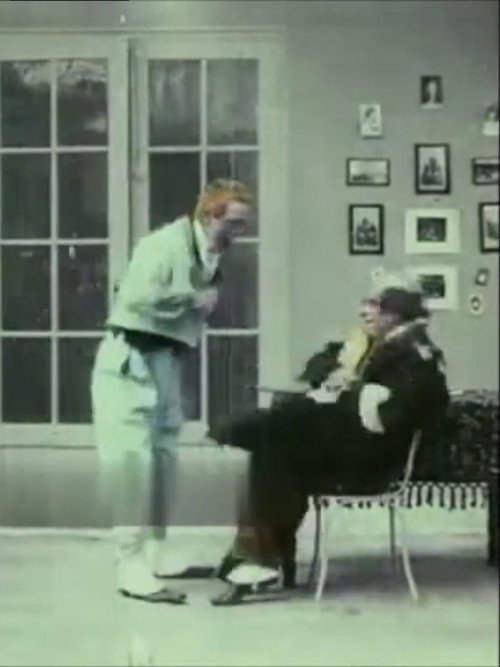
Chez le Photographe 1900
Chez le Photographe (1900) offers a delightful glimpse into early cinematic comedy, showcasing the playful antics of a bumbling clown photographer whose studio becomes the stage for mischievous mayhem.
Director: Marguerite Vrignault
Cast
Frequently Asked Questions
What is Chez le Photographe (1900) about?
This early silent comedy follows a clownish photographer whose attempts to work in his studio are constantly disrupted by playful hi-jinks and unexpected chaos, creating a series of amusing visual gags typical of the era.
Who directed Chez le Photographe?
The film was directed by Marguerite Vrignault, a pioneering filmmaker who helped shape early comedy cinema during the silent film period.
Who stars in Chez le Photographe?
The main cast features Mason and Forbes, whose performances anchor the film's physical comedy and mischievous spirit.
Is Chez le Photographe (1900) worth watching?
While unrated on IMDb, this brief comedy holds historical value for film enthusiasts interested in silent-era humor and early cinematic techniques. Its short runtime makes it an accessible glimpse into comedy's roots.
How long is Chez le Photographe?
The film runs for approximately 4 minutes.
🎥 Trailer
Chez le Photographe (1900) — A Silent Era Comedy Classic
Chez le Photographe (1900) offers a delightful glimpse into early cinematic comedy, showcasing the playful antics of a bumbling clown photographer whose studio becomes the stage for mischievous mayhem. Directed by Marguerite Vrignault, this brief but charming four-minute short film captures the essence of silent-era slapstick, where visual gags and physical humor reign supreme. The film's comedic chaos centers around the photographer's attempts to capture portraits while dealing with the unpredictable shenanigans that unfold around him.
Starring Mason and Forbes, the talented duo brings infectious energy to their roles, embodying the classic vaudeville spirit that defined early 20th-century entertainment. Their performance creates an atmosphere of whimsical disorder, where every moment builds toward another hilarious mishap. This pioneering comedy reflects the experimental nature of cinema's formative years, when filmmakers were discovering the power of visual storytelling and comedic timing.
Despite its brief runtime, Chez le Photographe (1900) delivers memorable moments of levity that showcase the enduring appeal of physical comedy. The film's vintage charm provides cinephiles with a fascinating window into the origins of comedic filmmaking, making it a worthwhile addition to any collection focused on cinema history or early comedy classics.