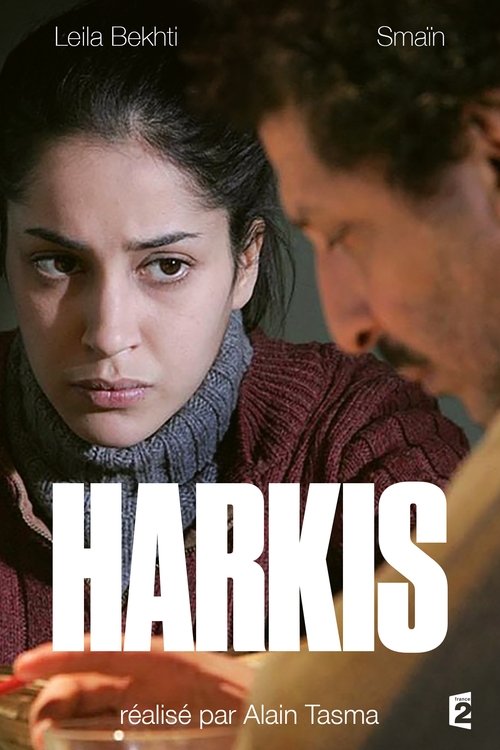
Harkis 2008
Director Alain Tasma's powerful TV movie Harkis (2008) plunges viewers into the raw, often overlooked struggles of Algerian-French families resettled in a French forest camp during 1972.
Director: Alain Tasma
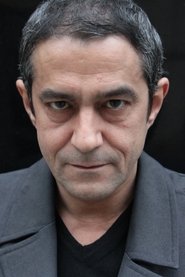
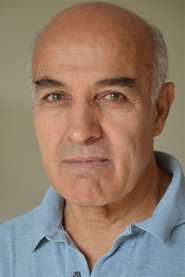
Cast







Frequently Asked Questions
What is Harkis (2008) about?
Set in 1972, Harkis follows the Benamar family, former Algerian allies of France resettled in a forest camp. Struggling with poverty and restrictive oversight, the family grapples with loss, resistance, and the weight of a war that never truly ended for them. Leïla, the eldest daughter, symbolizes the clash between tradition and the fierce desire for freedom.
Who directed Harkis?
Alain Tasma directed Harkis (2008), a TV drama known for its emotional depth and historical resonance.
Who stars in Harkis?
The film features Smaïn as Saïd Benamar, Leïla Bekhti as his daughter Leïla, and Frédéric Pierrot in a supporting role, among others.
Is Harkis (2008) worth watching?
As a TV drama rooted in historical realism, Harkis (2008) offers a compelling, if sobering, look at a lesser-known chapter of post-colonial France. While not widely rated, its emotional intensity and strong performances make it a thoughtful watch for fans of character-driven drama and social commentary.
How long is Harkis?
Harkis (2008) runs for 98 minutes.
About Harkis (2008) — A raw drama of exile and rebellion in post-war France
Director Alain Tasma's powerful TV movie Harkis (2008) plunges viewers into the raw, often overlooked struggles of Algerian-French families resettled in a French forest camp during 1972. The drama centers on the Benamar family, led by Saïd, a war-scarred Harki veteran trapped in a cycle of exile, poverty, and paternalistic oversight. His eldest daughter Leïla, caught between rebellion and first love, refuses to accept the stifling life imposed by both camp authorities and her own father's resignation. As tensions simmer, the film captures the claustrophobic atmosphere of the camp—a place of no real freedom, where dignity is constantly negotiated.
Through intimate storytelling and stark realism, Harkis (2008) explores themes of identity, resistance, and the legacy of colonial conflict. Tasma's direction, paired with standout performances from Smaïn as Saïd and Leïla Bekhti as the fiery Leïla, transforms a historical footnote into a deeply human drama. The film vividly contrasts the quiet despair of the camp with the simmering emotions of its inhabitants, making it a poignant reflection on displacement and dignity.