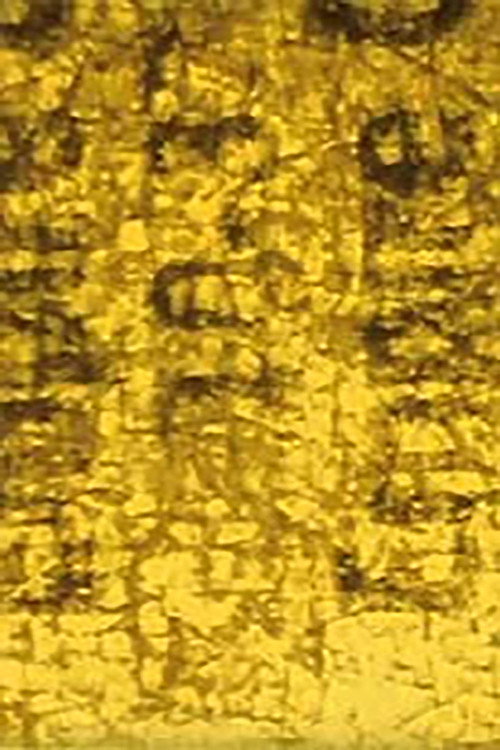
Fauve 1991
Donna Cameron's experimental short Fauve (1991) isn't just a film—it's a visual symphony stitched together with handmade paper and light. Shot entirely on a one-of-a-kind paper process, Cameron transforms cellulose into a monochromatic dreamscape that pulses with rhythm and mood.
Director: Donna Cameron
Frequently Asked Questions
What is Fauve (1991) about?
Fauve is an experimental paper film that uses a one-of-a-kind process to explore how light waves move and interact with the eye. It's not a story with characters or dialogue, but an abstract journey through monochromatic waves of red, blue, and ultraviolet hues.
Who directed Fauve?
Fauve was directed by Donna Cameron, an artist known for her innovative use of paper and light in experimental filmmaking.
Who stars in Fauve?
Cast information is not available for this short film.
Is Fauve (1991) worth watching?
Though short and unrated, Fauve offers a unique visual experience for fans of experimental cinema. Its innovative technique and atmospheric score make it a compelling if niche watch for those interested in art films and the interplay of light and perception.
How long is Fauve?
Fauve has a runtime of 10 minutes.
About Fauve (1991) — A Paper Film That Bends Light Into Sound
Donna Cameron's experimental short Fauve (1991) isn't just a film—it's a visual symphony stitched together with handmade paper and light. Shot entirely on a one-of-a-kind paper process, Cameron transforms cellulose into a monochromatic dreamscape that pulses with rhythm and mood. The absence of color isn't a limitation but a portal: as light waves ripple across the screen, viewers meet red first—those longest wavelengths—then blue, finally vanishing into the ultraviolet fringe that lingers just beyond the edge of sight. Wrapped in Peter Wetzler's atmospheric score, the experience becomes tactile, immersive, and quietly hypnotic, turning a ten-minute reel into a meditation on perception itself.
Fauve (1991) defies conventional cinema, trading narrative for texture and story for sensory revelation. It's a film you feel more than follow, where the physics of light becomes the plot and the screen becomes a sheet of paper reanimated by motion. Whether you're drawn to avant-garde filmmaking or simply curious how art can bend the rules of reality, Cameron's invention offers a fleeting but unforgettable glimpse into a world where light is sound, motion is music, and every frame feels like a discovery.