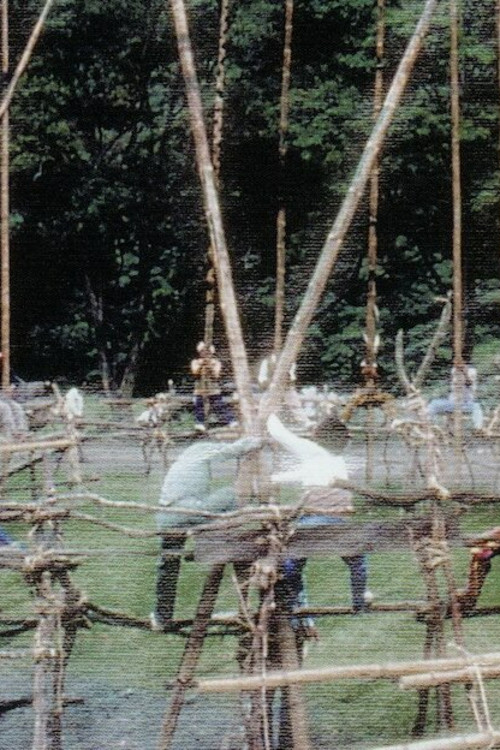
The Return of Gods and Ancestors: Paiwan Five Year Ceremony 1985
Captured on a vintage 16 mm Bell & Howell hand-crank camera, *The Return of Gods and Ancestors: Paiwan Five Year Ceremony (1985)* by Taiwanese ethnographic pioneer Hu Tai-Li delivers a mesmerizing time-capsule of Paiwan tradition.
Director: Hu Tai-Li
Frequently Asked Questions
What is *The Return of Gods and Ancestors: Paiwan Five Year Ceremony (1985)* about?
This documentary chronicles Taiwan's Paiwan tribe preparing for their monumental five-year ceremony, a ritual where villagers pierce rattan balls with bamboo poles to invite divine blessings and repel evil spirits. The film blends cultural spectacle with deep spiritual significance, offering a rare glimpse into Paiwan traditions.
Who directed *The Return of Gods and Ancestors: Paiwan Five Year Ceremony*?
The film was directed by Hu Tai-Li, a pioneering figure in Taiwanese ethnographic cinema known for her sensitive, immersive approach to documenting indigenous cultures.
Who stars in *The Return of Gods and Ancestors: Paiwan Five Year Ceremony*?
Cast details for this 1985 documentary are not listed, reflecting its focus on communal traditions rather than individual performers.
Is *The Return of Gods and Ancestors: Paiwan Five Year Ceremony (1985)* worth watching?
As a groundbreaking ethnographic work from Taiwan's first locally made documentary of its kind, it's a must-watch for fans of cultural cinema. Its historical importance and visually striking depiction of Paiwan rituals make it both educational and evocative, despite its modest runtime.
How long is *The Return of Gods and Ancestors: Paiwan Five Year Ceremony*?
The film runs 35 minutes, a concise yet impactful runtime that packs in rich cultural detail.
About The Return of Gods and Ancestors: Paiwan Five Year Ceremony (1985) — Taiwan's first ethnographic film captured on 16 mm film
Captured on a vintage 16 mm Bell & Howell hand-crank camera, *The Return of Gods and Ancestors: Paiwan Five Year Ceremony (1985)* by Taiwanese ethnographic pioneer Hu Tai-Li delivers a mesmerizing time-capsule of Paiwan tradition. This landmark documentary follows the tribe as they prepare for their grand five-year ritual, a vibrant blend of spiritual reverence and ancestral communion. The centerpiece is the breathtaking spectacle of villagers piercing rattan balls with towering bamboo poles, a high-stakes ritual meant to secure blessings from deities while warding off malevolent spirits. Beyond its ceremonial drama, the film captures the palpable tension between joyous reunion and cautious vigilance, as the community navigates the delicate balance between celebrating their heritage and defending it.
Hu Tai-Li's lens transforms this ethnographic record into a living portrait of cultural endurance. Shot in the rugged highlands of Taiwan, the film immerses viewers in the Paiwan's worldview—where ancestors walk among the living, and every ritual act is a thread connecting past to present. The documentary's raw, unfiltered immediacy, achieved with minimal intrusion, makes it a foundational work in Taiwanese anthropology and a hauntingly beautiful study of tradition in motion.