Essais pendulaires 1951
Dive into the hypnotic world of *Essais pendulaires (1951)*, a mesmerizing 2-minute masterpiece crafted by the visionary animator Alexandre Alexeieff.
Director: Alexandre Alexeieff
Frequently Asked Questions
What is *Essais pendulaires (1951)* about?
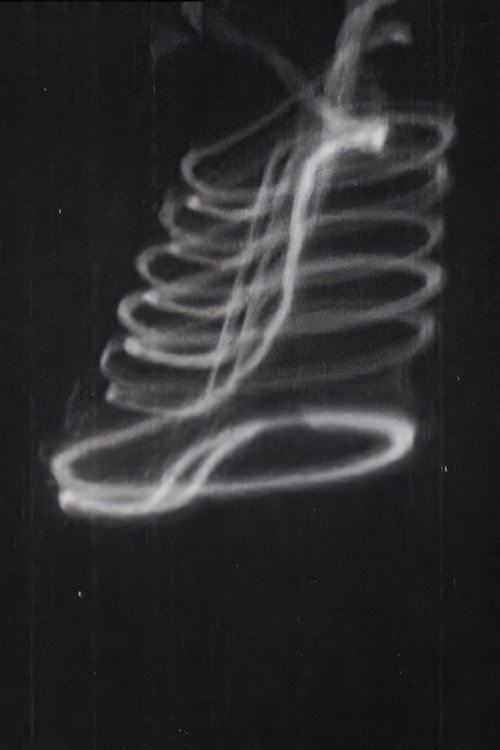
This short film is a hypnotic exploration of pendulums captured in motion, transforming into fluid, abstract patterns through pinscreen animation. The visual experiment strips away narrative, focusing purely on rhythm, form, and the interplay of light and shadow.
Who directed *Essais pendulaires*?
The film was directed by Alexandre Alexeieff, a pioneering animator known for his innovative pinscreen techniques that brought a tactile quality to abstract imagery.
Who stars in *Essais pendulaires*?
Cast details for *Essais pendulaires* are not publicly available, as the film is a non-narrative experimental animation.
Is *Essais pendulaires (1951)* worth watching?
While its 2-minute runtime is brief, the film is a standout example of early experimental animation. Its hypnotic visuals and technical innovation make it a fascinating watch for fans of avant-garde cinema, though casual viewers might find its abstract nature challenging.
How long is *Essais pendulaires*?
The film runs for exactly 2 minutes.
Essais pendulaires (1951): The Avant-Garde Animation That Redefined Motion
Dive into the hypnotic world of *Essais pendulaires (1951)*, a mesmerizing 2-minute masterpiece crafted by the visionary animator Alexandre Alexeieff. This avant-garde animation unfolds like a visual poem, where swinging pendulums transform into fluid, dreamlike patterns that blur the line between motion and stillness. The film's stark black-and-white palette and rhythmic precision evoke a meditative quality, inviting viewers to lose themselves in the interplay of light, shadow, and movement. Though minimalist in length, *Essais pendulaires* packs a profound artistic punch, blending experimental technique with a meditative atmosphere that lingers long after the final frame.
At its core, the film is a study of abstraction, where simple geometric forms dance in hypnotic repetition. Alexeieff's groundbreaking use of pinscreen animation lends an almost tactile quality to the imagery, making each frame feel like a living sketch. The absence of dialogue or narrative allows the visuals to take center stage, crafting an experience that's both meditative and visually arresting. For fans of early animation, avant-garde cinema, or anyone who appreciates the beauty of motion distilled into its purest form, *Essais pendulaires (1951)* offers a fleeting yet unforgettable glimpse into the boundless possibilities of the medium.