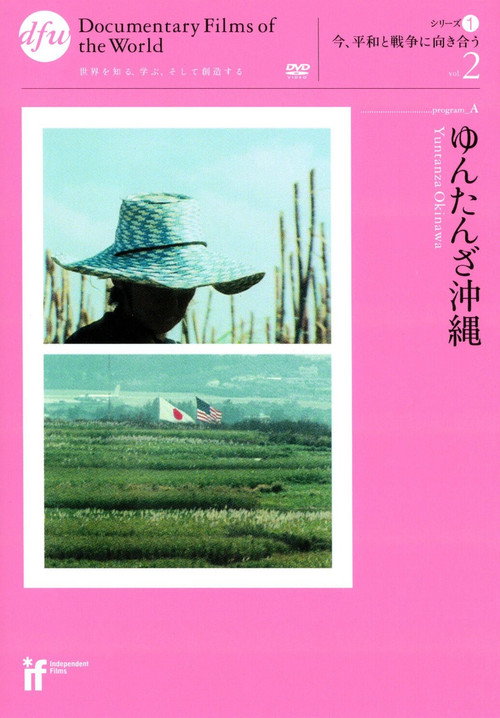
Yuntanza Okinawa 1987
In 1987, filmmaker Masahiro Nishiyama confronted a haunting chapter of Okinawan history in *Yuntanza Okinawa*.
Director: Masahiro Nishiyama
Cast
Frequently Asked Questions
What is Yuntanza Okinawa (1987) about?
*Yuntanza Okinawa* delves into the aftermath of the Pacific War in Okinawa, revealing the discovery of 84 victims of a mass suicide ordered by the Japanese military. The film combines survivor accounts, the creation of a peace statue by bereaved families, and the defiance of students protesting the display of the Japanese flag at graduation ceremonies.
Who directed Yuntanza Okinawa?
Masahiro Nishiyama directed *Yuntanza Okinawa*. His work focuses on Okinawa's history and its cultural and social landscapes, blending documentary rigor with emotional depth.
Who stars in Yuntanza Okinawa?
Soichi Ito is the key figure featured in *Yuntanza Okinawa*, alongside survivors, grieving families, and high school students whose stories anchor the documentary.
Is Yuntanza Okinawa (1987) worth watching?
As a documentary exploring Okinawa's wartime legacy and its contemporary echoes, *Yuntanza Okinawa* offers a powerful, if heavy, viewing experience. Its focus on survivor testimonies and artistic catharsis gives it weight beyond standard historical recounts, making it compelling for those interested in socio-political documentaries.
How long is Yuntanza Okinawa?
Yuntanza Okinawa runs for 110 minutes.
About Yuntanza Okinawa (1987) — A Haunting Documentary of War, Memory, and Resilience
In 1987, filmmaker Masahiro Nishiyama confronted a haunting chapter of Okinawan history in *Yuntanza Okinawa*. Three decades after the Pacific War's end, the discovery of 84 victims in a Yomitan cave—mass casualties ordered by Japanese military forces—unfolded a harrowing tale of survival, loss, and resilience. The documentary weaves together chilling survivor testimonies, the moving story of a sculptor guiding grieving families in crafting a peace monument, and the defiant stand of high school girls resisting the display of the Japanese flag at their graduation. Through stark visuals and unflinching interviews, Nishiyama captures the enduring scars of war while spotlighting the quiet battles for remembrance and justice in Okinawa.
This 110-minute documentary transcends its historical weight to become a meditation on collective trauma and the power of artistic expression as catharsis. By juxtaposing personal grief with systemic critique, *Yuntanza Okinawa* (1987) offers a sobering yet profoundly human perspective on the lingering shadows of conflict. For viewers drawn to historically rich, emotionally layered documentaries, it stands as a testament to the voices often drowned out by the tide of time.