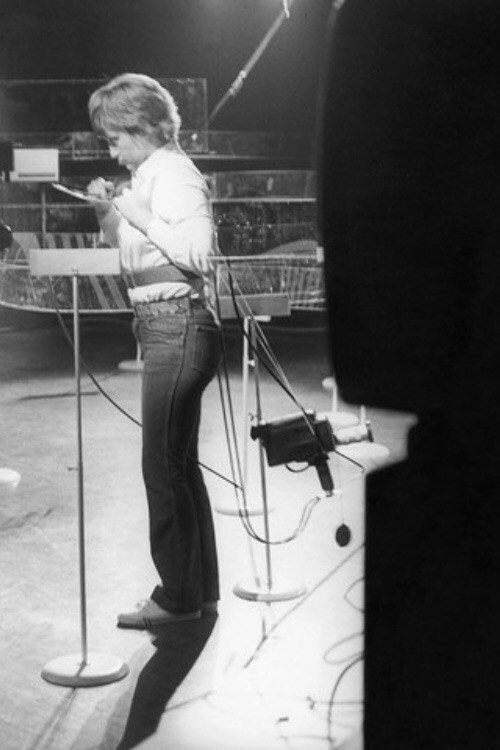
Adjunct Dislocations II 1978
Pioneering avant-garde short film *Adjunct Dislocations II* (1978) by visionary artist Valie Export strips performance art down to its most elemental mechanics.
Director: Valie Export
Frequently Asked Questions
What is Adjunct Dislocations II (1978) about?
This experimental short captures artist Valie Export walking along a track, interacting with two closed-circuit cameras that project shifting patterns onto screens in real time. Her movement generates evolving linear shapes, blending performance with structural cinema to explore perception and control.
Who directed Adjunct Dislocations II?
The film was directed by Valie Export, the influential Austrian artist and filmmaker known for her groundbreaking work in feminist and avant-garde cinema.
Who stars in Adjunct Dislocations II?
The film features Austrian performance artist Valie Export as the sole performer in this conceptual exploration.
Is Adjunct Dislocations II (1978) worth watching?
While niche and highly experimental, *Adjunct Dislocations II* offers a fascinating glimpse into early structural film and feminist art practices. Its 17-minute runtime demands patience, but rewards viewers with a unique meditation on movement, perception, and technology—ideal for enthusiasts of underground cinema.
How long is Adjunct Dislocations II?
Adjunct Dislocations II runs for 17 minutes.
About Adjunct Dislocations II (1978) — How Valie Export Turned Motion Into a Visual Revolution
Pioneering avant-garde short film *Adjunct Dislocations II* (1978) by visionary artist Valie Export strips performance art down to its most elemental mechanics. Shot in a stark white environment, Export traverses a precise track while two closed-circuit cameras—angled in opposite directions—project patterned screens into the space. The resulting interplay of light, shadow, and movement transforms simple linear shapes into a hypnotic visual experiment on screen. The confined setting accentuates the tension between bodily motion and mechanical observation, creating an atmosphere that feels both clinical and deeply human.
This 17-minute cinematic essay challenges viewers to reconsider the boundaries of perception, identity, and technology in art. By turning the act of movement into a real-time composition, Export crafts a meditative yet dynamic experience that lingers long after the final frame. It's a work where art isn't just seen—it's felt, dissected, and reimagined through the lens of radical experimentation.