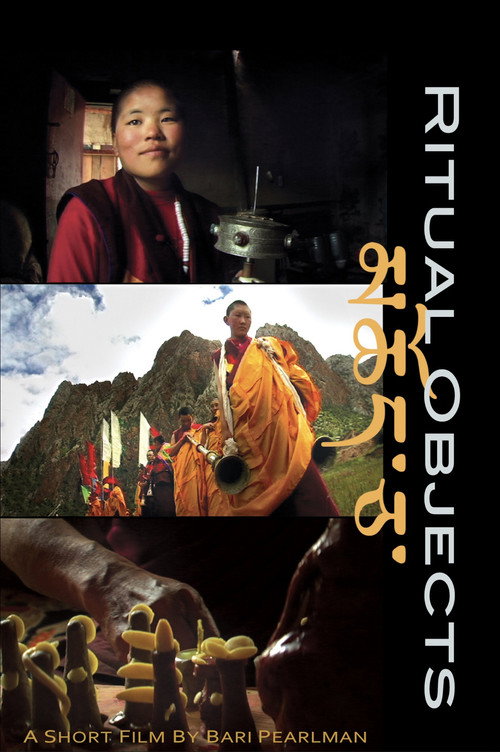
Ritual Objects 2011
In *Ritual Objects (2011)*, award-winning documentarian Bari Pearlman transports viewers to the remote Kala Rongo convent in Nangchen, Tibet, where over 300 nuns immerse themselves in spiritual devotion and scholarly pursuit.
Director: Bari Pearlman
Frequently Asked Questions
What is Ritual Objects (2011) about?
This documentary delves into the daily life of nuns at Kala Rongo convent in Tibet, showcasing their spiritual practices like prayer wheels and ceremonial offerings. It highlights the blend of education and devotion that shapes their existence.
Who directed Ritual Objects?
The film was directed by Bari Pearlman, an acclaimed documentarian known for her Peabody Award-winning work.
Who stars in Ritual Objects?
While the cast isn't publicly listed, the film centers on the nuns of Kala Rongo convent and their spiritual leaders.
Is Ritual Objects (2011) worth watching?
Given its short runtime and unique cultural focus, *Ritual Objects* is a compelling watch for those interested in documentary films about spirituality and tradition. Its atmospheric storytelling makes it a standout in the genre.
How long is Ritual Objects?
The film runs for 15 minutes.
About Ritual Objects (2011) — Exploring Tibetan Nun Convent Traditions Through Sacred Rituals
In *Ritual Objects (2011)*, award-winning documentarian Bari Pearlman transports viewers to the remote Kala Rongo convent in Nangchen, Tibet, where over 300 nuns immerse themselves in spiritual devotion and scholarly pursuit. This short documentary shines a light on the sacred traditions and daily rituals that define their lives, from the rhythmic turning of prayer wheels to the intricate preparations of torma, a ceremonial cake offering used in tantric ceremonies. The film captures the serene yet deeply meaningful atmosphere of the convent, revealing how these women blend education with spirituality in a place where the mountains echo with centuries of tradition.
Through intimate storytelling, *Ritual Objects* demystifies the symbolic power of these rituals, inviting audiences to witness a welcoming procession filled with grace and purpose. Pearlman's lens captures not just the actions but the devotion behind them, creating a meditative experience that feels both timeless and profoundly human. This film is a rare glimpse into a world where faith and culture intertwine seamlessly, offering a perspective that resonates long after the credits roll.