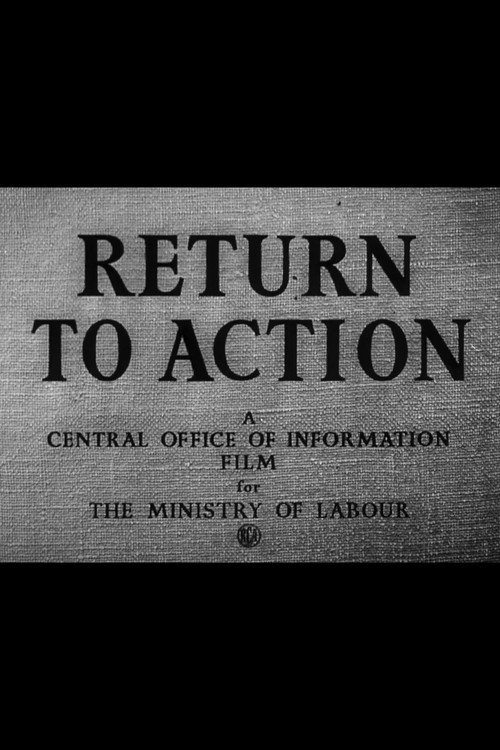
Return to Action 1947
Return to Action (1947), directed by Gilbert Gunn, shines a spotlight on resilience and adaptation in post-war Britain.
Director: Gilbert Gunn
Frequently Asked Questions
What is Return to Action (1947) about?
This short film from 1947 highlights disabled professionals—bricklayers, teachers, and lawyers—who are encouraged to retrain for new careers after injury. It blends inspiring stories of adaptation with a call to embrace fresh opportunities.
Who directed Return to Action?
Return to Action was directed by Gilbert Gunn, a filmmaker known for his work in mid-20th-century British cinema.
Who stars in Return to Action?
The film features everyday professionals in fictionalized roles, though specific cast names are not widely documented.
Is Return to Action (1947) worth watching?
Though short and unrated, Return to Action offers a fascinating glimpse into post-war societal attitudes toward disability and vocational training. Its historical perspective and uplifting message make it a unique watch for fans of classic British shorts.
How long is Return to Action?
Return to Action runs for 19 minutes.
About Return to Action (1947) — A 19-Minute Tale of Hope and New Beginnings
Return to Action (1947), directed by Gilbert Gunn, shines a spotlight on resilience and adaptation in post-war Britain. This 19-minute short film follows everyday professionals—bricklayers, lawyers, and teachers—who, having faced physical challenges, are encouraged to embrace fresh career paths. Through a blend of encouragement and practical guidance, the film captures a spirit of renewal, blending documentary-style realism with an uplifting message about second chances. The narrative unfolds against the backdrop of a society rebuilding itself, where determination and skill are celebrated over limitations.
At its heart, Return to Action (1947) is a testament to human ingenuity and the power of reinvention. While the full cast isn't widely documented, the film's focus on relatable figures and real-world scenarios gives it an authentic, heartfelt touch. Directed with sensitivity by Gunn, this lesser-known gem offers a glimpse into mid-20th-century social attitudes toward disability and vocational rehabilitation. Though brief, its themes of hope and opportunity resonate as strongly today as they did in the late 1940s.