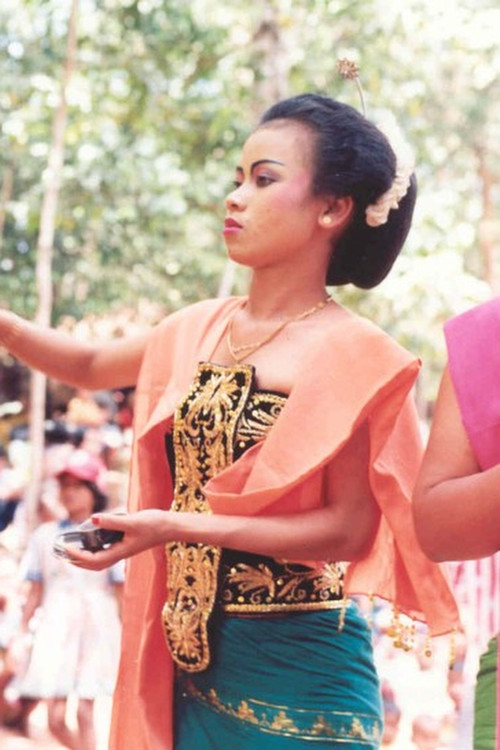
Tayuban 1996
Directed by Felicia Hughes-Freeland, *Tayuban (1996)* is a captivating 30-minute documentary that immerses viewers in a sacred Javanese ritual.
Director: Felicia Hughes-Freeland
Frequently Asked Questions
What is Tayuban (1996) about?
*Tayuban (1996)* documents an annual Javanese ritual where food is shared before men dance with professional female dancers. The film frames the dance as a spiritual offering to protect the village, blending cultural pride with societal scrutiny over its sensual elements.
Who directed Tayuban?
Felicia Hughes-Freeland directed *Tayuban (1996)*, bringing a documentary filmmaker's eye to the ritual's raw energy and cultural depth.
Who stars in Tayuban?
Cast details for *Tayuban (1996)* are not publicly listed, as the film focuses on the ritual and its participants rather than named performers.
Is Tayuban (1996) worth watching?
As a short documentary, *Tayuban (1996)* offers a unique glimpse into Javanese culture, though its niche appeal may limit broad interest. Its thought-provoking themes and authentic portrayal make it compelling for those fascinated by world traditions and ritual dance.
How long is Tayuban?
*Tayuban (1996)* runs for 30 minutes, offering a concise yet immersive viewing experience.
About Tayuban (1996) — A Javanese Ritual Dance Film Capturing Tradition and Controversy
Directed by Felicia Hughes-Freeland, *Tayuban (1996)* is a captivating 30-minute documentary that immerses viewers in a sacred Javanese ritual. Each year, a village comes alive with a vibrant exchange of food before men engage in an intricate dance with professional female dancers. The performance, steeped in tradition, carries a complex cultural significance—seen by some as a spiritual offering to ward off misfortune and ensure prosperity, yet viewed by others as controversial for its sensual undertones. The film captures the raw energy of the event while exploring deeper themes of identity, community, and the tension between tradition and modern perceptions.
Hughes-Freeland's lens preserves the authenticity of this fleeting tradition, blending rhythmic movement with a sense of communal reverence. The dancers' grace contrasts with the raw passion of the male participants, creating a visual and emotional spectacle that challenges outsiders' interpretations. *Tayuban (1996)* isn't just about dance—it's a window into a culture where ritual, belief, and heritage intertwine.