Le Portrait de Mireille 1910
In the sun-drenched landscapes of Arles, *Le Portrait de Mirelle (1910)* follows a passionate painter on vacation who becomes enchanted by a local Arlesian beauty while capturing her likeness in a portrait.
Director: Léonce Perret
Cast

Frequently Asked Questions
What is Le Portrait de Mireille (1910) about?
A gifted painter vacationing in Arles falls for a local woman while painting her portrait, but their budding romance is complicated by her jealous fiancé. The film explores the tension between artistic passion and real-world obstacles, culminating in a poignant artistic tribute.
Who directed Le Portrait de Mireille?
Léonce Perret, a pioneering French filmmaker known for his contributions to early silent cinema and his talent for blending romance with dramatic storytelling.
Who stars in Le Portrait de Mireille?
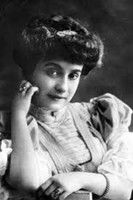
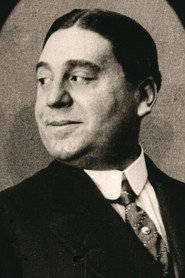
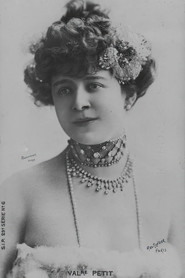
The film features Fabienne Fabrèges, Jeanne Marie-Laurent, Marc Mario, Léonce Perret, and Valentine Petit in key roles.
Is Le Portrait de Mireille (1910) worth watching?
As a silent-era romance with artistic depth, *Le Portrait de Mireille* offers a charming snapshot of early French cinema. While it lacks modern pacing, its themes and historical significance make it a fascinating watch for silent film enthusiasts and romance lovers alike.
How long is Le Portrait de Mireille?
The film has a runtime of 8 minutes.
About Le Portrait de Mireille (1910) — France's Silent-Era Romance Masterpiece
In the sun-drenched landscapes of Arles, *Le Portrait de Mirelle (1910)* follows a passionate painter on vacation who becomes enchanted by a local Arlesian beauty while capturing her likeness in a portrait. Directed by Léonce Perret, this silent-era romance unfolds as a delicate dance between artistry and longing, where the painter's admiration for his muse deepens into a quiet, unspoken love. Yet their romance is thwarted by the jealousy of her Camargue guard fiancé, forcing the artist to channel his emotions into creating a timeless masterpiece that will forever immortalize their fleeting connection.
The film weaves themes of artistic devotion, unrequited love, and the bittersweet nature of beauty frozen in time. With its evocative atmosphere and understated performances, *Le Portrait de Mirelle (1910)* offers a glimpse into early French cinema's ability to blend romance with visual storytelling, leaving viewers captivated by its poignant simplicity.