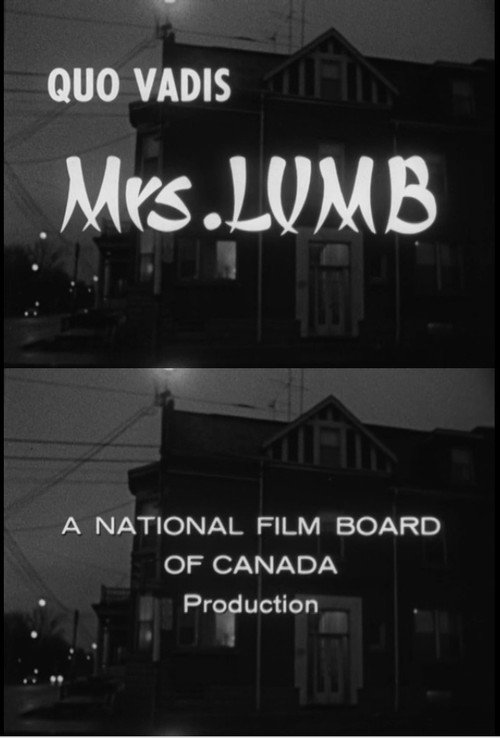
Quo Vadis, Mrs. Lumb? 1965
"Quo Vadis, Mrs. Lumb? (1965)" offers an intimate, candid glimpse into the life of Chinese-Canadian trailblazer Jean Lumb, as she reflects on her formative years in Vancouver, her experiences with cultural prejudice, and the realities of an arranged marriage.
Director: Ron Kelly
Cast
Frequently Asked Questions
What is Quo Vadis, Mrs. Lumb? (1965) about?
This documentary profiles Jean Lumb, a Chinese-Canadian woman, as she shares her experiences growing up in Vancouver, facing discrimination, and building a life through her arranged marriage and community involvement. It's a story of strength, tradition, and the intersections of culture and identity.
Who directed Quo Vadis, Mrs. Lumb?
The film was directed by Ron Kelly, who crafts a sensitive and intimate portrait of Jean Lumb's life and legacy.
Who stars in Quo Vadis, Mrs. Lumb?
The documentary features Jean Lumb as the central figure, with her personal reflections shaping the narrative throughout.
Is Quo Vadis, Mrs. Lumb? (1965) worth watching?
For viewers interested in personal histories, cultural documentaries, or stories of resilience, this short film is a hidden gem. While it's unrated, its heartfelt approach and historical significance make it a compelling watch, especially for those seeking authentic narratives.
How long is Quo Vadis, Mrs. Lumb?
The documentary runs for 27 minutes.
About Quo Vadis, Mrs. Lumb? (1965) — A candid 1960s documentary on heritage, resilience, and family
"Quo Vadis, Mrs. Lumb? (1965)" offers an intimate, candid glimpse into the life of Chinese-Canadian trailblazer Jean Lumb, as she reflects on her formative years in Vancouver, her experiences with cultural prejudice, and the realities of an arranged marriage. Directed by Ron Kelly, this 27-minute documentary blends personal storytelling with the broader themes of identity, resilience, and family in mid-20th-century Canada. Through Lumb's voice, the film explores the challenges of intermarriage, her dedication to community, and the quiet strength required to navigate societal expectations. The atmosphere is both poignant and inspiring, painting a vivid portrait of a woman who broke barriers while prioritizing family and tradition.
This short documentary stands out as a significant piece of cultural and social history, capturing the nuances of Chinese-Canadian life during a transformative era. Kelly's sensitive direction and Lumb's unfiltered recollections create a film that resonates with anyone interested in personal narratives, immigration stories, or the quiet revolutions of everyday life.