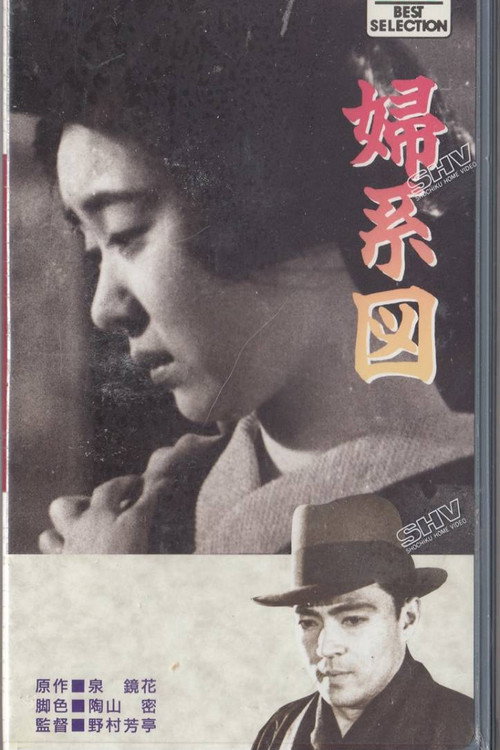
The Genealogy of Women 1934
Step into the emotional tapestry of pre-war Japan with *The Genealogy of Women* (1934), a sweeping melodrama crafted by the celebrated director Hôtei Nomura.
Director: Hôtei Nomura
Cast


Frequently Asked Questions
What is The Genealogy of Women (1934) about?
This melodrama unfolds the intersecting lives of women in early 20th-century Japan, exploring their struggles against societal norms and personal desires. The narrative follows their journeys as they confront love, loss, and the weight of tradition in a rapidly changing world.
Who directed The Genealogy of Women?
Hôtei Nomura, a pioneering Japanese filmmaker known for his emotional depth and narrative precision, helmed this classic adaptation.
Who stars in The Genealogy of Women?
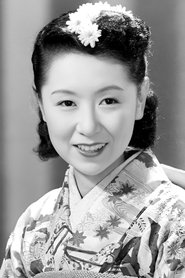
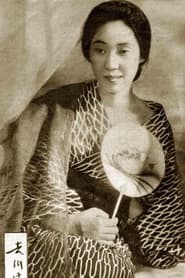
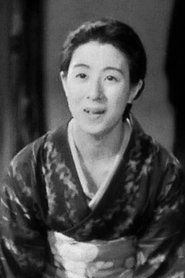
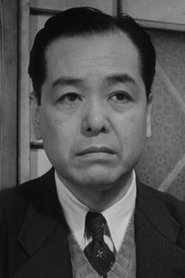
The film features Kinuyo Tanaka in a standout role, alongside Joji Oka, Chōko Iida, Yasurō Shiga, and Kimiyo Ōtsuka.
Is The Genealogy of Women (1934) worth watching?
Though unrated on IMDb, its status as a historic adaptation of Kyoka's work and its melodramatic brilliance make it a fascinating watch for fans of classic cinema. The film's emotional resonance and cultural insights offer a rewarding experience for genre enthusiasts.
How long is The Genealogy of Women?
The Genealogy of Women runs for 135 minutes, offering a substantial yet immersive viewing experience.
About The Genealogy of Women (1934) — Classic Japanese Melodrama from the Maestro of Early Cinema
Step into the emotional tapestry of pre-war Japan with *The Genealogy of Women* (1934), a sweeping melodrama crafted by the celebrated director Hôtei Nomura. This timeless adaptation of Izumi Kyoka's *The Romance of Yushima* weaves a poignant narrative of love, ambition, and societal expectations through the lives of women navigating a rigidly structured world. Kinuyo Tanaka delivers a standout performance, anchoring a story rich with historical texture and personal conflict, while the film's melodramatic intensity immerses viewers in a bygone era of elegance and hardship.
The story unfolds like a delicate yet unyielding thread, tracing the struggles of women bound by tradition yet yearning for autonomy. Nomura's direction captures the era's contradictions—luxury and deprivation, freedom and constraint—with a visual and emotional depth rarely seen in early cinema. The film's atmosphere lingers long after the final scene, making it a compelling watch for fans of historical drama and classic storytelling.