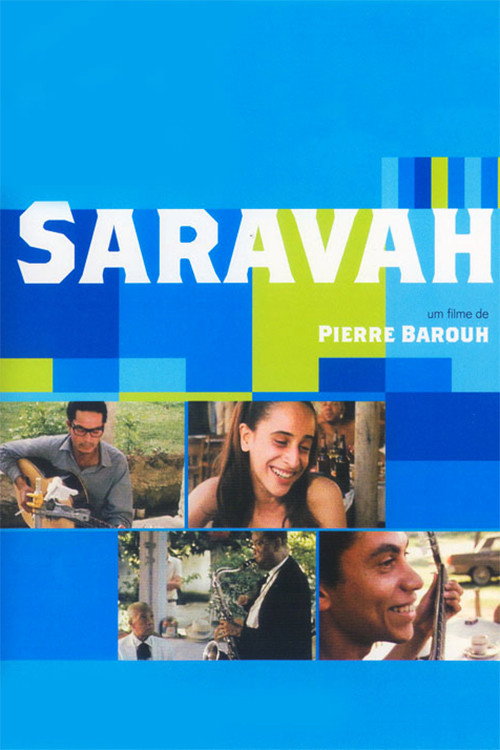
Saravah 1969
Saravah (1969) is a captivating documentary that immerses viewers in the vibrant world of Brazilian music during a pivotal era. Directed by Pierre Barouh, this musical journey showcases rare and intimate performances from legendary artists who shaped samba and bossa nova.
Director: Pierre Barouh
Cast


Frequently Asked Questions
What is Saravah (1969) about?
Saravah (1969) chronicles the Brazilian music scene through intimate performances and rare footage of legendary artists. The documentary captures samba and bossa nova masters in their element, showcasing the cultural richness of 1960s Brazil.
Who directed Saravah?
Pierre Barouh directed Saravah, bringing his artistic vision to document Brazil's musical legends with unprecedented intimacy and historical significance.
Who stars in Saravah?
The documentary features performances by Baden Powell, Maria Bethânia, Pixinguinha, Paulinho da Viola, and João da Baiana, among other Brazilian music icons.
Is Saravah (1969) worth watching?
Absolutely. This unrated documentary offers invaluable historical footage of legendary musicians and provides authentic insight into Brazil's musical evolution. Music enthusiasts will appreciate the rare performances and cultural significance.
How long is Saravah?
Saravah runs for 100 minutes of engaging musical documentary content.
Saravah (1969): Brazilian Music Legacy — Full Documentary Details
Saravah (1969) is a captivating documentary that immerses viewers in the vibrant world of Brazilian music during a pivotal era. Directed by Pierre Barouh, this musical journey showcases rare and intimate performances from legendary artists who shaped samba and bossa nova. The film captures extraordinary moments like Baden Powell's acoustic guitar mastery and Maria Bethânia rehearsing at Rio's Barroco nightclub, creating an authentic portrait of Brazil's rich musical heritage.
This documentary stands as a treasure trove of musical history, featuring the only known color footage of the legendary Pixinguinha alongside João da Baiana, one of samba's founding fathers. Viewers witness Paulinho da Viola presenting his masterpiece 'Coisas do Mundo, Minha Nega' in its early days, while Márcia represents the evolving sounds of São Paulo. The intimate atmosphere and historical significance make Saravah (1969) essential viewing for world music enthusiasts and cultural historians alike.
With its 100-minute runtime, this documentary beautifully weaves together performance footage and behind-the-scenes moments, creating an immersive experience that celebrates Brazilian musical artistry. The film's unrated status reflects its artistic merit rather than commercial appeal, offering genuine insight into a transformative period of Latin American music.