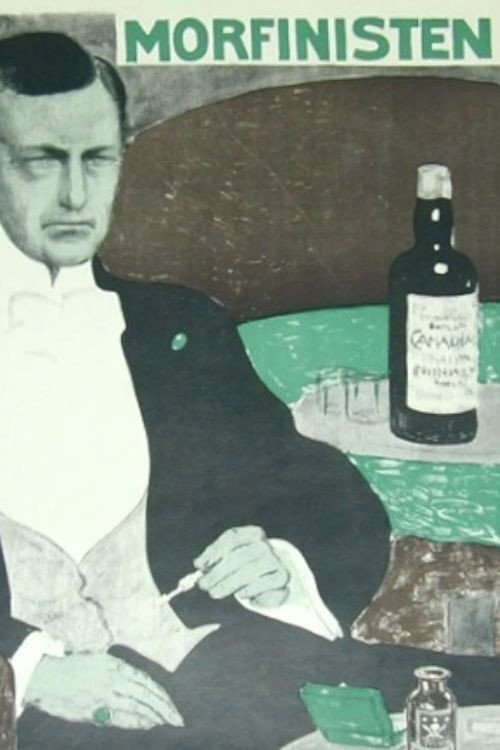
The Morphine Takers 1911
In the early 1910s Danish silent film *The Morphine Takers (1911)*, directed by Alfred Lind, a charming but destructive adventurer named John Robert lures an innocent country girl named Mary to the bustling streets of Copenhagen.
Director: Alfred Lind
Cast
Frequently Asked Questions
What is The Morphine Takers (1911) about?
Follow the tragic story of John Robert, a seductive adventurer who drags Mary—a young woman from the countryside—into the decadent streets of Copenhagen. Their relationship sours as John Robert's morphine addiction and financial ruin spiral out of control.
Who directed The Morphine Takers?
Alfred Lind directed *The Morphine Takers*, contributing to its atmospheric portrayal of moral and physical decline.
Who stars in The Morphine Takers?
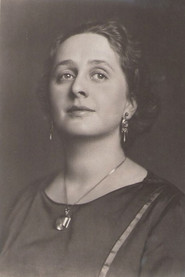
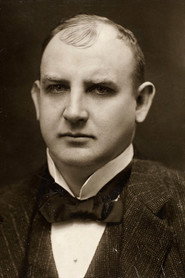
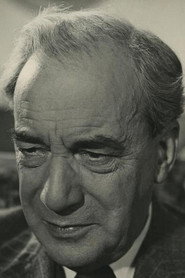
The film features Lili Beck and Alfred Cohn in pivotal roles, alongside Peter Fjelstrup, Vera Fjelstrup, and Edvard Jacobsen.
Is The Morphine Takers (1911) worth watching?
Though an early silent film, *The Morphine Takers* offers a compelling glimpse into the era's storytelling techniques and thematic depth. Its exploration of addiction and betrayal adds a layer of intrigue that makes it a worthwhile watch for silent film enthusiasts.
How long is The Morphine Takers?
Runtime details are not listed.
About The Morphine Takers (1911) — A Silent-Era Drama of Addiction and Deception
In the early 1910s Danish silent film *The Morphine Takers (1911)*, directed by Alfred Lind, a charming but destructive adventurer named John Robert lures an innocent country girl named Mary to the bustling streets of Copenhagen. Their once-promising relationship unravels as Mary discovers John Robert's dark secret: his crippling morphine addiction and mounting debts that threaten to consume them both.
This atmospheric film explores themes of deception, moral decay, and the seductive power of vice, all unfolding against the backdrop of a city teeming with hidden dangers. Lind's direction infuses the narrative with a haunting realism, capturing the era's anxieties about modernity and moral corruption. While the film may lack the polish of later cinema, its raw exploration of human frailty makes it a fascinating artifact of early 20th-century storytelling.