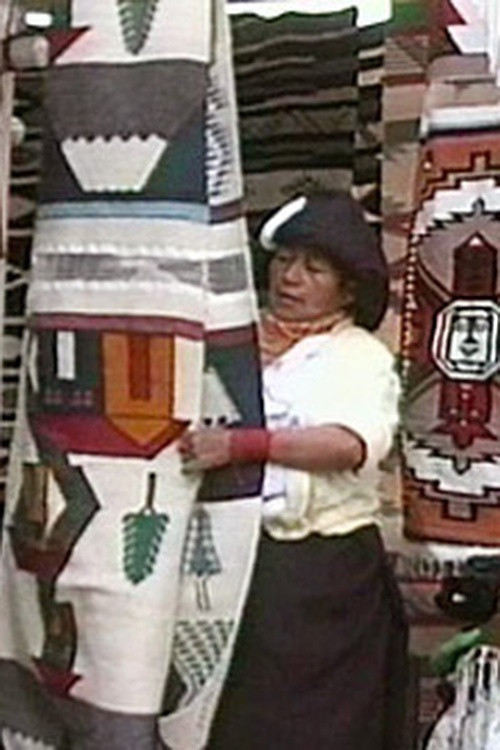
Weaving the Future 1997
Dive into *Weaving the Future (1997)*, directed by Mark Freeman, for an eye-opening portrait of the Otavalo Indians, a thriving indigenous community in Ecuador's Andean highlands.
Director: Mark Freeman
Frequently Asked Questions
What is Weaving the Future (1997) about?
This documentary follows the Otavalo Indians of Ecuador's Andean highlands, showcasing their journey from traditional weavers to global entrepreneurs. Instead of struggling to survive, they've turned their textile craft into a thriving international business, exporting their goods worldwide.
Who directed Weaving the Future?
Mark Freeman directed *Weaving the Future (1997)*, bringing his keen eye to a story of cultural and economic resilience.
Who stars in Weaving the Future?
Cast details for *Weaving the Future (1997)* are not publicly listed, as it focuses on the Otavalo community rather than individual actors.
Is Weaving the Future (1997) worth watching?
While unrated on IMDb, this short documentary offers a fascinating glimpse into a community's ability to adapt and thrive. Its focus on cultural heritage and economic ingenuity makes it compelling for fans of documentaries and ethnographic films. The 27-minute runtime is perfect for a quick but impactful watch.
How long is Weaving the Future?
*Weaving the Future (1997)* has a runtime of 27 minutes.
About Weaving the Future (1997) — The Otavalo Indians' remarkable blend of craft and commerce
Dive into *Weaving the Future (1997)*, directed by Mark Freeman, for an eye-opening portrait of the Otavalo Indians, a thriving indigenous community in Ecuador's Andean highlands. Unlike the typical narrative of isolated cultures fighting to survive, this documentary reveals a people who have masterfully woven their traditional craftsmanship with global commerce. Through their vibrant textiles, the Otavalos have turned ancient skills into economic success, exporting their goods across the U.S., Europe, and Japan. Freeman's lens captures the resilience and ingenuity of a community where heritage and modernity coexist seamlessly.
The film radiates a sense of quiet pride and cultural richness, blending stunning landscapes with intimate portraits of artisans at work. It's a celebration of adaptation without compromise, proving that tradition and progress aren't mutually exclusive. *Weaving the Future (1997)* is more than a documentary—it's a testament to the power of cultural preservation in a rapidly changing world.