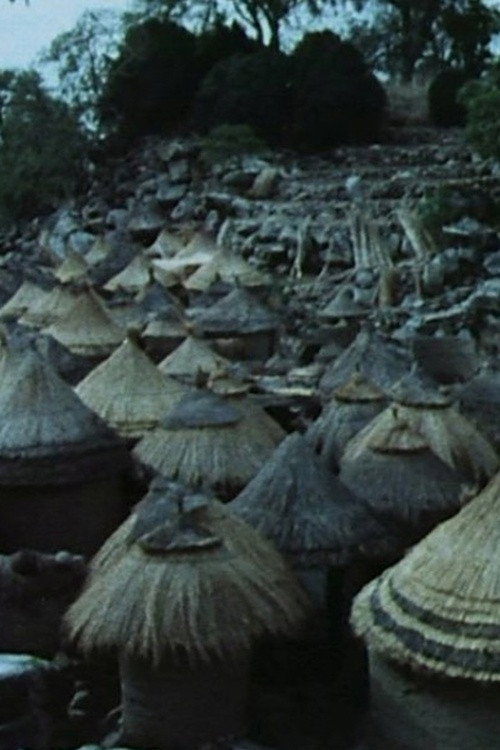
Sons of the Moon 1984
Dive into the mystical traditions of Nigeria's Jos Plateau with *Sons of the Moon (1984)*, a captivating 25-minute documentary directed by Deirdre LaPin. This short film immerses viewers in the world of the Ngas people, whose lives are deeply intertwined with the moon's phases.
Director: Deirdre LaPin
Frequently Asked Questions
What is Sons of the Moon (1984) about?
This documentary follows the Ngas people of Nigeria's Jos Plateau as they navigate their agricultural and cultural rhythms guided by the moon's cycles. Through the perspective of a traditional bard, the film explores how lunar phases shape their lives during a single growing season.
Who directed Sons of the Moon?
The film was directed by Deirdre LaPin, an ethnographer whose work often delves into the intersections of culture, tradition, and natural phenomena.
Who stars in Sons of the Moon?
Director information is not available.
Is Sons of the Moon (1984) worth watching?
For fans of ethnographic documentaries, *Sons of the Moon (1984)* offers a unique, meditative look into a community's relationship with the moon. While its brevity and unrated status may limit mainstream appeal, its cultural and thematic depth makes it a worthwhile watch for niche audiences.
How long is Sons of the Moon?
The film runs for 25 minutes.
About Sons of the Moon (1984) — A 25-Minute Journey Through Ngas Cosmology
Dive into the mystical traditions of Nigeria's Jos Plateau with *Sons of the Moon (1984)*, a captivating 25-minute documentary directed by Deirdre LaPin. This short film immerses viewers in the world of the Ngas people, whose lives are deeply intertwined with the moon's phases. Through the eyes of a traditional Ngas bard, the documentary unfolds how lunar cycles shape their agricultural rhythms, cultural rituals, and worldview during a single growing season. The film's serene yet profound atmosphere captures the essence of a community where celestial movements dictate the pulse of daily life.
*Sons of the Moon (1984)* is a rare glimpse into the intersection of astronomy, folklore, and subsistence farming in a remote Nigerian hamlet. LaPin's poetic lens transforms a seemingly simple lunar observation into a celebration of cultural heritage, where the moon isn't just a celestial body but a sacred guide. The documentary's intimate portrayal of Ngas cosmology makes it a compelling watch for fans of ethnographic cinema and those curious about how ancient traditions endure in the modern world.