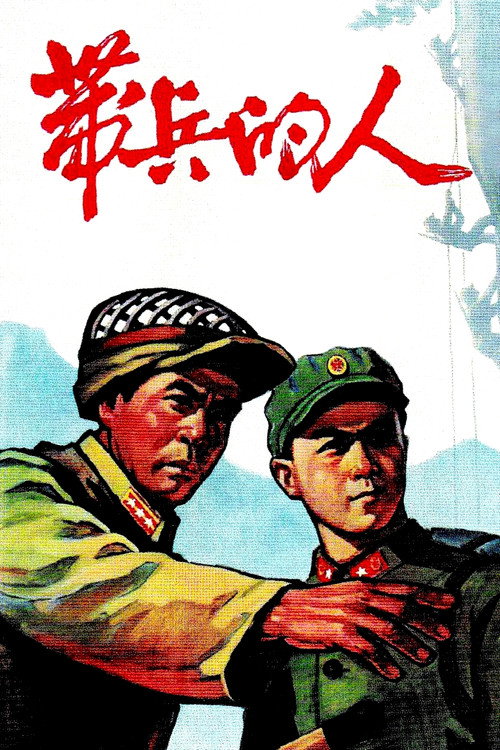
带兵的人 1964
带兵的人 (1964) is a compelling Chinese war drama that explores the challenges and responsibilities of military leadership during a turbulent era.
Director: Yan Jizhou
Cast
Frequently Asked Questions
What is 带兵的人 (1964) about?
The film centers on a military commander who must navigate the challenges of leading troops during wartime, exploring themes of duty, sacrifice, and the moral complexities of command. It portrays the personal struggles and responsibilities that come with bearing the lives of soldiers in one's hands.
Who directed 带兵的人?
The film was directed by Yan Jizhou, a respected filmmaker known for his work in Chinese cinema during the 1960s.
Who stars in 带兵的人?
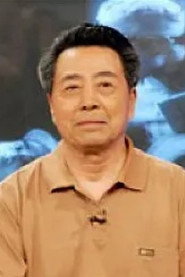
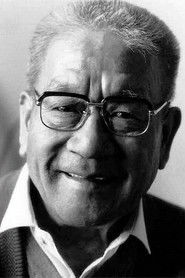
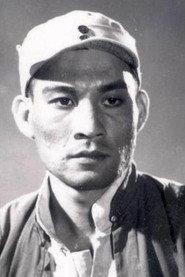
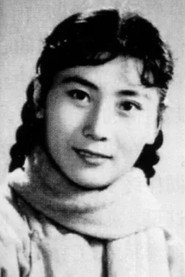
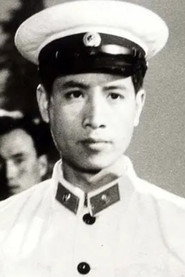
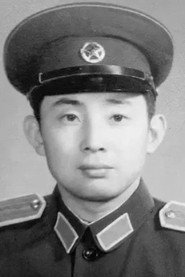
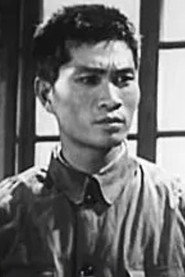
The main cast includes Huo Deji, Gao Baocheng, Wang Zhigang, Yuan Xia, Wang Yi, and Zhang Hengli, who deliver authentic performances as military personnel.
Is 带兵的人 (1964) worth watching?
As an unrated historical war drama with strong thematic elements about leadership and sacrifice, this film offers valuable insights into Chinese military cinema from the 1960s. Fans of classic war films and those interested in military history will find it engaging.
How long is 带兵的人?
Runtime details are not listed for this film.
About 带兵的人 (1964) — A War Drama Exploring Military Leadership
带兵的人 (1964) is a compelling Chinese war drama that explores the challenges and responsibilities of military leadership during a turbulent era. Directed by Yan Jizhou, this film follows the story of a commander tasked with leading his troops through difficult circumstances, highlighting themes of duty, sacrifice, and the human cost of conflict. The narrative delves into the psychological burden carried by those who bear the weight of command, set against the backdrop of wartime China.
The film features strong performances from Huo Deji, Gao Baocheng, Wang Zhigang, and Yuan Xia, bringing authenticity to their portrayals of soldiers and officers. With its focus on military strategy and personal courage, 带兵的人 captures the spirit of resilience and patriotism that defined an era. The dramatic tension between following orders and protecting one's men creates compelling character development throughout the story. This 1964 production remains a significant entry in Chinese war cinema, offering insights into the nation's military history and the complexities of command during times of war.