Sight Unseen 1995
Dive into the unforgettable world of *Sight Unseen (1995)*, a captivating documentary that unravels the vibrant tapestry of Balinese culture through an intimate lens.
Director: Nicholas Kurzon
Frequently Asked Questions
What is Sight Unseen (1995) about?
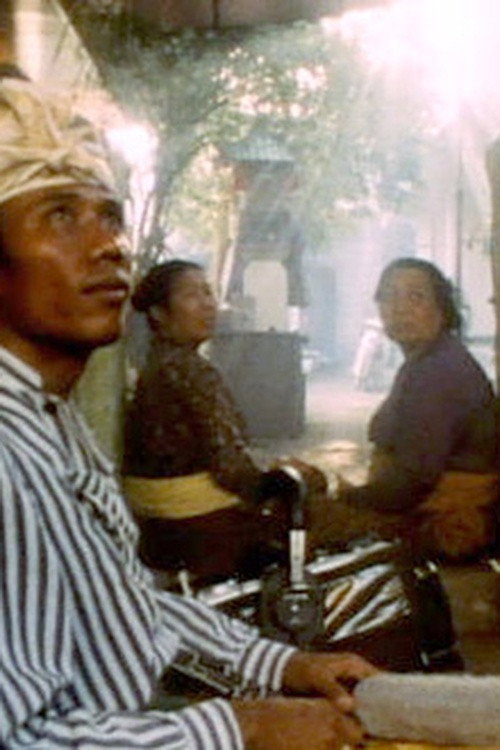
*Sight Unseen* is a short documentary that explores Balinese culture through the eyes of a visiting American cameraman. The film centers on a Balinese Hindu priest and his two sons—a cockfighter and a videographer—whose lives intertwine with themes of tourism, home-video recording, and the everyday rituals of their community. It's a candid look at how outsiders and locals perceive each other, wrapped in the vibrant atmosphere of Bali.
Who directed Sight Unseen?
Director Nicholas Kurzon crafts *Sight Unseen* as an observational ethnographic documentary, blending cultural anthropology with personal storytelling.
Who stars in Sight Unseen?
The documentary prominently features a Balinese Hindu priest and his two sons, one a cockfighter and the other a freelance videographer.
Is Sight Unseen (1995) worth watching?
*Sight Unseen* offers a unique, 27-minute window into Balinese life, making it a compelling watch for documentary enthusiasts. While not widely rated, its ethnographic approach and cultural insights provide value for those interested in anthropology or indie films. The short runtime makes it an easy yet thought-provoking experience.
How long is Sight Unseen?
The runtime of *Sight Unseen* is 27 minutes.
About Sight Unseen (1995) — A Balinese Ethnography Through the Lens of Nicholas Kurzon
Dive into the unforgettable world of *Sight Unseen (1995)*, a captivating documentary that unravels the vibrant tapestry of Balinese culture through an intimate lens. Directed by Nicholas Kurzon, this 27-minute film takes viewers on a journey beyond the postcard-perfect façade of Bali, introducing a Balinese Hindu priest whose life becomes a focal point. The priest's two sons embody contrasting facets of tradition and modernity: one as a passionate cockfighter, the other as a freelance videographer whose lens captures the raw, unfiltered essence of his community. Through the eyes of an American cameraman—glimpsed only in reflections and TV monitors—the documentary weaves together tourism, anthropology, and the art of home-video making, all while savoring the simple joys of ice-cream selling. It's a poetic collision of cultures, where curiosity meets skepticism, and every frame feels like a stolen glance into a world rarely seen so honestly.
*Sight Unseen* isn't just a film; it's an ethnographic experiment that challenges viewers to question their own perceptions of travel and authenticity. The documentary thrives on the tension between observation and participation, as the videographer's attempts to document his surroundings become a mirror for the American's outsider perspective. With its immersive storytelling, the film invites you to ponder the complexities of cultural exchange and the blurred lines between tourist and anthropologist. Whether you're drawn to its anthropological depth or its unflinching portrayal of Balinese life, *Sight Unseen (1995)* lingers long after the credits roll, leaving you to reflect on the stories we tell—and the ones we miss.