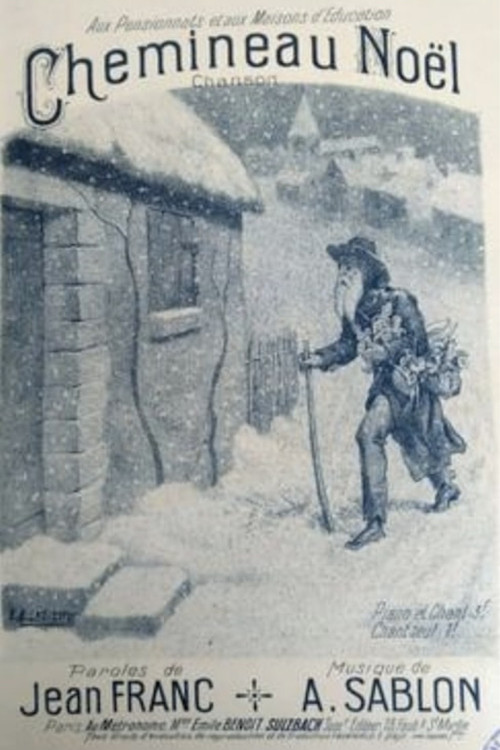
The Christmas of the Tramp 1911
A silent-era drama steeped in early 20th-century social tension, *The Christmas of the Tramp* (1911) directed by Camille de Morlhon captures a bleak New Year's Eve in Paris where a destitute homeless man, scorned by society, confronts his own despair...
Director: Camille de Morlhon
Frequently Asked Questions
What is The Christmas of the Tramp (1911) about?
This early silent film follows a homeless tramp, shunned by a wealthy New Year's party, who seeks refuge in what he thinks is an empty pavilion. His solitude is shattered by the sudden appearance of a child, forcing him to confront the repercussions of his bitterness and desperation.
Who directed The Christmas of the Tramp?
The film was directed by Camille de Morlhon, a pioneer of French cinema known for his atmospheric storytelling in the silent era.
Who stars in The Christmas of the Tramp?
The cast list for *The Christmas of the Tramp* (1911) has not been preserved, as is common for films of this period.
Is The Christmas of the Tramp (1911) worth watching?
With its emotional depth and historical significance as an early silent drama, *The Christmas of the Tramp* offers a brief but compelling viewing experience. Though unrated and obscure today, its themes of social inequality and moral reckoning resonate even over a century later.
How long is The Christmas of the Tramp?
The film runs approximately 9 minutes in length.
🎥 Trailer
About The Christmas of the Tramp (1911) — Silent Drama That Captures Social Divide in 9 Minutes
A silent-era drama steeped in early 20th-century social tension, *The Christmas of the Tramp* (1911) directed by Camille de Morlhon captures a bleak New Year's Eve in Paris where a destitute homeless man, scorned by society, confronts his own despair amid the glittering festivities of the wealthy. Rejected by a lavish party, he stumbles into what he believes is an abandoned pavilion—only to find a lone child inside, forcing him to grapple with the consequences of his bitterness. Directed with atmospheric restraint, the film contrasts stark poverty with opulent revelry, exploring themes of isolation, moral choice, and the fragile boundaries between survival and cruelty. Shot in under ten minutes, de Morlhon's careful framing intensifies the emotional weight of a moment when human dignity hangs in the balance.
The short's power lies in its economy: no dialogue, no excess, just a single scene charged with moral ambiguity and poignant realism. Though modest in scale, *The Christmas of the Tramp* endures as a window into early cinematic storytelling—where every frame feels deliberate, and every shadow tells a story of quiet rebellion and fragile hope.