疾走する蜷川幸雄80歳 〜生きる覚悟〜 2016
疾走する蜷川幸雄80歳 〜生きる覚悟〜 (2016) offers a raw, unflinching glimpse into the late Yukio Ninagawa's relentless spirit as he nears 80, battling illness while refusing to slow down.
Cast


Frequently Asked Questions
What is 疾走する蜷川幸雄80歳 〜生きる覚悟〜 (2016) about?
This 2016 documentary follows Yukio Ninagawa, the revered Japanese theater director, as he confronts a serious illness at 80 while fiercely pursuing his passion for the stage. It's a testament to his unyielding spirit and a celebration of a legendary career.
Who directed 疾走する蜷川幸雄80歳 〜生きる覚悟〜?
Director information is not available.
Who stars in 疾走する蜷川幸雄80歳 〜生きる覚悟〜?
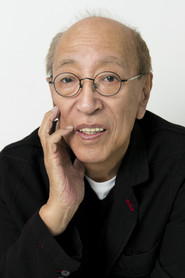
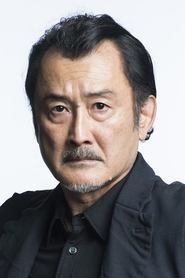
The film features Yukio Ninagawa alongside Rie Miyazawa, Tatsuya Fujiwara, and Kotaro Yoshida, offering a mix of personal and professional insights.
Is 疾走する蜷川幸雄80歳 〜生きる覚悟〜 (2016) worth watching?
As a documentary, it's a moving and intimate look at Ninagawa's final years, making it a compelling watch for theater enthusiasts and fans of understated storytelling. While not action-packed, its emotional depth and authenticity shine.
How long is 疾走する蜷川幸雄80歳 〜生きる覚悟〜?
The runtime is 95 minutes.
About 疾走する蜷川幸雄80歳 〜生きる覚悟〜 (2016) — A filmmaker's battle against time and illness
疾走する蜷川幸雄80歳 〜生きる覚悟〜 (2016) offers a raw, unflinching glimpse into the late Yukio Ninagawa's relentless spirit as he nears 80, battling illness while refusing to slow down. This intimate documentary captures the legendary Japanese theater director's determination to keep creating, even when his body betrays him, blending his personal resilience with his artistic legacy. Directed as a TV movie, it transforms Ninagawa's private struggle into a poignant reflection on life, mortality, and the fire that keeps artists pushing forward, all set against the backdrop of his iconic career.
Featuring intimate interviews and behind-the-scenes moments with collaborators like Rie Miyazawa and Tatsuya Fujiwara, the film paints a vivid portrait of a man who treated every breath as a performance. The atmosphere is both tender and urgent, mirroring Ninagawa's own philosophy—life is a stage, and he's still the star.