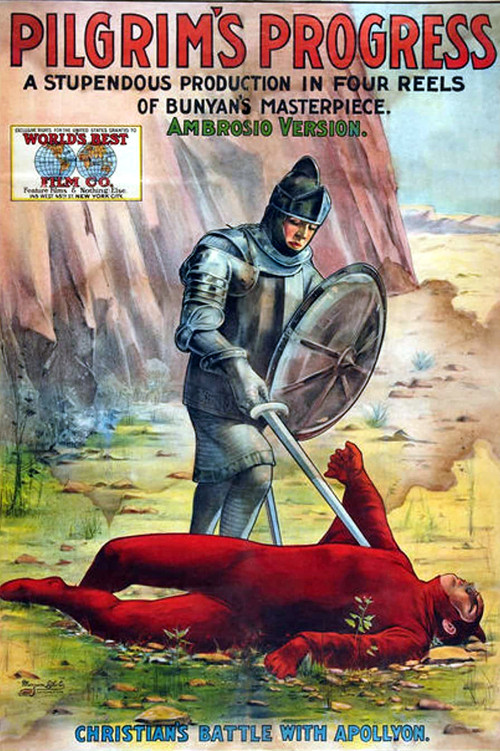
Pilgrim's Progress 1912
"$100,000 Production. Positively the Masterpiece of all Motion Photography- Over 190 Scenes of This World's Famous Subject"
Discover the cinematic adaptation of John Bunyan's timeless allegory in *Pilgrim's Progress (1912)*, a silent-era drama directed by Francis Powers.
Director: Francis Powers
Cast
Frequently Asked Questions
What is Pilgrim's Progress (1912) about?
This silent drama adapts John Bunyan's *The Pilgrim's Progress*, chronicling a spiritual journey filled with trials, redemption, and moral lessons. The film splits into two parts: one exploring Bunyan's life and the other retelling his allegorical tale of a pilgrim's path to salvation. Expect a visually rich narrative steeped in early 20th-century cinema.
Who directed Pilgrim's Progress?
The film was directed by Francis Powers, who brought Bunyan's allegory to the silent screen with a grand, multi-scene approach.
Who stars in Pilgrim's Progress?
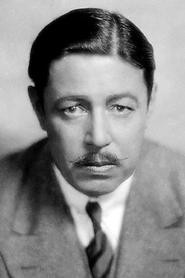
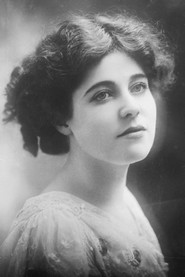
The cast includes Warner Oland, Ethel Clayton, and Clifford Leigh in pivotal roles that anchor the film's dramatic narrative.
Is Pilgrim's Progress (1912) worth watching?
While it lacks an IMDb rating, *Pilgrim's Progress* stands out for its historical significance and ambitious storytelling. As a silent-era drama, it offers a unique glimpse into early cinema and Bunyan's enduring themes, making it a niche pick for fans of classic or religious films.
How long is Pilgrim's Progress?
The runtime is 45 minutes, a concise yet packed journey through Bunyan's allegory.
About Pilgrim's Progress (1912) — Silent Drama Adaptation of Bunyan's Classic Allegory
Discover the cinematic adaptation of John Bunyan's timeless allegory in *Pilgrim's Progress (1912)*, a silent-era drama directed by Francis Powers. This ambitious 45-minute film breathes life into Bunyan's classic tale, blending morality and adventure across over 190 meticulously crafted scenes. Split into two parts, it follows the journey of a protagonist seeking spiritual redemption, immersing viewers in a world of faith, perseverance, and divine providence. With Warner Oland and Ethel Clayton leading the cast, the film captures the essence of early 20th-century storytelling, offering a rare glimpse into the moral landscapes that defined Bunyan's original work.
Powers' direction infuses the story with a solemn yet compelling atmosphere, making *Pilgrim's Progress* a standout in silent cinema. The film's grand scale—highlighted by its lavish production and sweeping visuals—transforms Bunyan's allegory into a cinematic experience that resonates with themes of hope and salvation. Though rooted in the early 1900s, its message transcends time, inviting modern audiences to reflect on the timeless quest for meaning.