End of the Rope 1923
End of the Rope (1923) drops viewers into the dusty, sun-scorched landscapes of the Old West, where tension crackles like static before a storm. Directed by Charles R.
Director: Charles R. Seeling
Cast
Frequently Asked Questions
What is End of the Rope (1923) about?
This 1923 Western follows a determined cowboy on a perilous journey, where every step could be his last. The plot revolves around a high-stakes chase, moral choices, and the relentless pursuit of justice in the harsh frontier.
Who directed End of the Rope?
End of the Rope was directed by Charles R. Seeling, a filmmaker known for his work in the silent era of American cinema.
Who stars in End of the Rope?
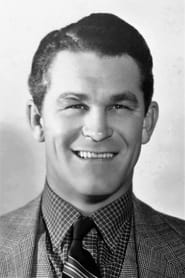
The film stars Guinn 'Big Boy' Williams, a prominent actor of the time, who brings rugged energy to the role.
Is End of the Rope (1923) worth watching?
As a silent-era Western, End of the Rope offers a fascinating glimpse into early filmmaking and the genre's foundational themes. While it lacks modern polish, its brevity and intensity make it a compelling watch for fans of classic Westerns.
How long is End of the Rope?
End of the Rope runs approximately 50 minutes, making it a concise yet impactful silent-era Western experience.
About End of the Rope (1923) — Silent-Era Western Grit Unpacked
End of the Rope (1923) drops viewers into the dusty, sun-scorched landscapes of the Old West, where tension crackles like static before a storm. Directed by Charles R. Seeling, this silent-era Western unfolds with a gripping simplicity, following a lone cowboy's relentless pursuit against seemingly insurmountable odds. The film's title hints at high-stakes peril, evoking the final moments of a daring escape or a last stand where every second counts. Guinn 'Big Boy' Williams stars as the rugged protagonist, embodying the grit and determination of a man pushed to the edge by outlaws or fate itself. With a runtime of just 50 minutes, the story thrives on raw energy, moral dilemmas, and the unspoken heroism of its era.
This short but intense film captures the essence of early Western storytelling—sparse dialogue, vivid action, and a backdrop that feels both timeless and fleeting. The cinematography, though rudimentary by today's standards, enhances the atmosphere of isolation and relentless pursuit. End of the Rope (1923) isn't just a snapshot of its time; it's a testament to the enduring appeal of Westerns as a genre built on justice, endurance, and the open trail.