Dear Homeland 1929
In Carl Wilhelm's charming silent-era comedy *Dear Homeland* (1929), a down-to-earth German mechanic finds his plans for a new life in America suddenly complicated by an unexpected romance.
Director: Carl Wilhelm
Cast



Frequently Asked Questions
What is Dear Homeland (1929) about?
The film follows a German mechanic torn between emigrating to the United States for a fresh start and the unexpected pull of love closer to home. His heart ultimately steers him toward a local romance, testing the boundaries between ambition and affection.
Who directed Dear Homeland?
The film was directed by Carl Wilhelm, a notable figure in early German cinema known for his skill in blending humor with emotional depth.
Who stars in Dear Homeland?
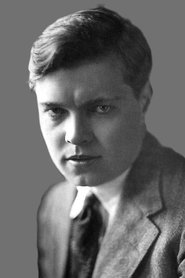
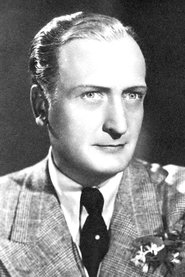
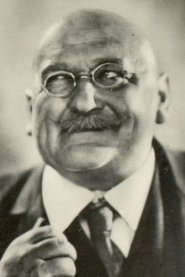
The lead roles are played by Hans Brausewetter, Renate Müller, and Else Reval, with Hans Albers adding charisma to the ensemble cast.
Is Dear Homeland (1929) worth watching?
While unrated, *Dear Homeland* offers a delightful snapshot of silent-era storytelling, anchored by strong performances and a timeless theme. Fans of classic comedies and historical romance will find its charm enduring, even if its pacing feels gentle by modern standards.
How long is Dear Homeland?
The film runs for 85 minutes, typical of many silent-era features.
About Dear Homeland (1929) — A Silent-Era Comedy of Love, Emigration, and Fate
In Carl Wilhelm's charming silent-era comedy *Dear Homeland* (1929), a down-to-earth German mechanic finds his plans for a new life in America suddenly complicated by an unexpected romance. As he weighs the allure of distant opportunity against the warmth of home, love intervenes, pulling him into a tender dilemma that questions where the heart truly belongs. Set against the bustling streets of 1920s Germany, the film blends lighthearted humor with a poignant undercurrent—capturing the universal tension between adventure and belonging.
With a vibrant ensemble cast led by Hans Brausewetter and Renate Müller, *Dear Homeland* radiates the playful energy of early cinema, its black-and-white visuals punctuated by expressive performances that feel strikingly modern. The story unfolds with wit and warmth, inviting viewers into a bygone era where choices between passion and practicality felt just as real as they do today.