Kalpavriksha 2000
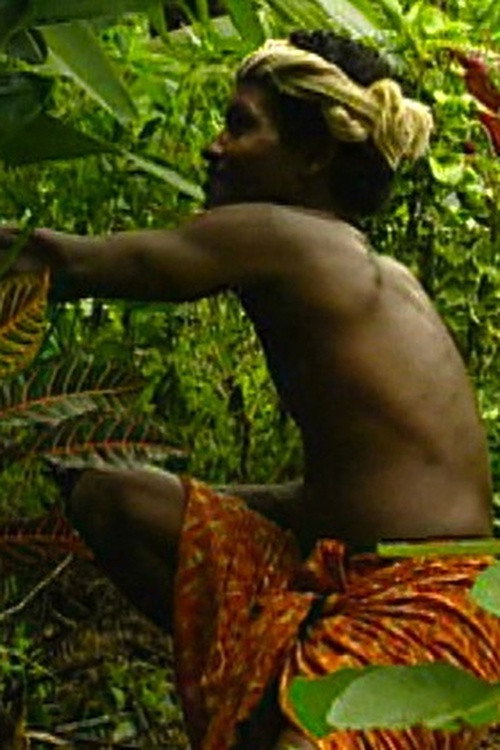
Kalpavriksha (2000) is a compelling short documentary that delves into India's rich heritage of medicinal plants and the profound connection between indigenous communities and traditional healing practices.
Director: Nina Subramani
Frequently Asked Questions
What is Kalpavriksha (2000) about?
The film explores India's medicinal plant diversity and documents how tribal communities have sustainably lived off the forest for centuries, particularly focusing on their traditional healing practices and philosophical approach to natural medicine.
Who directed Kalpavriksha?
Nina Subramani directed this documentary exploring India's traditional medicinal practices and indigenous communities.
Who stars in Kalpavriksha?
Cast information for Kalpavriksha is currently unavailable, as the documentary focuses on real tribal communities and traditional healers rather than professional actors.
Is Kalpavriksha (2000) worth watching?
For documentary enthusiasts interested in ethnobotany, cultural anthropology, or environmental conservation, this film offers valuable insights despite being unrated on IMDb. Its short runtime makes it an accessible educational piece.
How long is Kalpavriksha?
Kalpavriksha runs for 27 minutes.
Kalpavriksha (2000): Traditional Healing Through Indigenous Eyes — Full Movie Info
Kalpavriksha (2000) is a compelling short documentary that delves into India's rich heritage of medicinal plants and the profound connection between indigenous communities and traditional healing practices. Directed by Nina Subramani, this 27-minute film takes viewers on a journey through one of the world's most biodiverse regions, home to over 45,000 plant species that have sustained tribal populations for generations. The documentary beautifully captures how these communities have lived in harmony with the forest, relying on its resources not just for sustenance but for their entire healthcare system.
Through intimate storytelling, Kalpavriksha reveals the philosophy behind age-old medicinal traditions, showcasing the wisdom passed down through indigenous cultures. The film explores the delicate balance between nature and humanity, highlighting how tribal groups have maintained their way of life while preserving ancient knowledge about plant-based remedies. With stunning visuals of India's diverse flora and authentic portrayals of traditional healers, the documentary serves as both an educational piece and a tribute to sustainable living.
This documentary offers a unique perspective on alternative medicine and cultural preservation, making it essential viewing for those interested in ethnobotany, anthropology, or environmental conservation. Kalpavriksha (2000) reminds us of the invaluable wisdom held by indigenous peoples and the urgent need to protect both their knowledge and the natural habitats that sustain them.