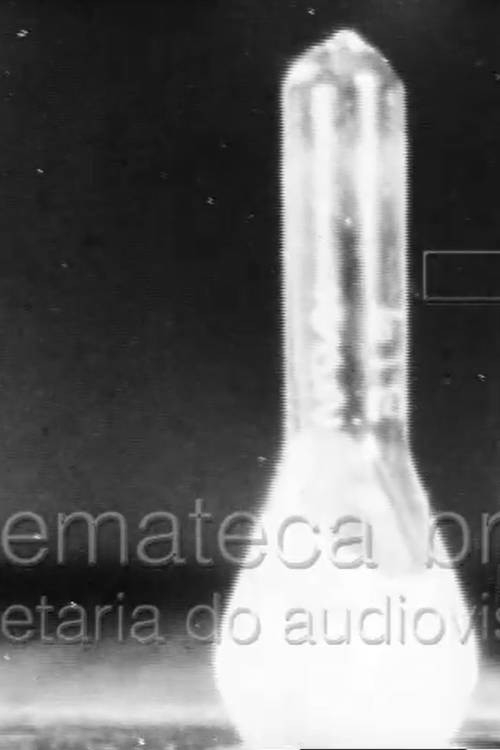
Febre Amarela I 1938
"The preparation of the yellow fever vaccine"
Step inside a pivotal moment in Brazilian medical history with *Febre Amarela I* (1938), the short documentary by visionary filmmaker Humberto Mauro.
Director: Humberto Mauro
Cast
Frequently Asked Questions
What is Febre Amarela I (1938) about?
This concise documentary follows the full production cycle of the yellow fever vaccine at the historic Yellow Fever Service laboratory in Manguinhos. Directed by Humberto Mauro, it bridges science and cinema to showcase a pivotal moment in public health history.
Who directed Febre Amarela I?
Humberto Mauro, a pioneering Brazilian filmmaker known for his documentary work and contributions to early cinema, directed *Febre Amarela I*.
Who stars in Febre Amarela I?
The film primarily features Edgard Roquette-Pinto, along with the scientists and researchers of the Rockefeller Foundation's laboratory in Rio de Janeiro.
Is Febre Amarela I (1938) worth watching?
As a short documentary with no IMDb rating, its value lies in its historical and educational significance rather than entertainment. It's a must-see for those interested in early medical films, Brazilian cinema, or the legacy of public health initiatives.
How long is Febre Amarela I?
The film runs approximately 7 minutes.
About Febre Amarela I (1938) — A Rare 7-Minute Glimpse into Brazil's Medical History
Step inside a pivotal moment in Brazilian medical history with *Febre Amarela I* (1938), the short documentary by visionary filmmaker Humberto Mauro. Under the microscope, this compact seven-minute film reveals the meticulous process behind producing the yellow fever vaccine at the renowned Yellow Fever Service laboratory in Manguinhos, near the Oswaldo Cruz Institute in Rio de Janeiro.
Through Mauro's sharp lens, viewers witness the scientific rigor and human effort that went into combating a deadly disease, offering a rare glimpse into early 20th-century public health in action. The film blends educational precision with cinematic storytelling, capturing both the urgency of the mission and the atmosphere of Rio's scientific community. *Febre Amarela I* isn't just a historical record—it's a testament to innovation and the fight against disease.
A brief but powerful work, this documentary remains a fascinating artifact for film scholars and medical history enthusiasts alike.