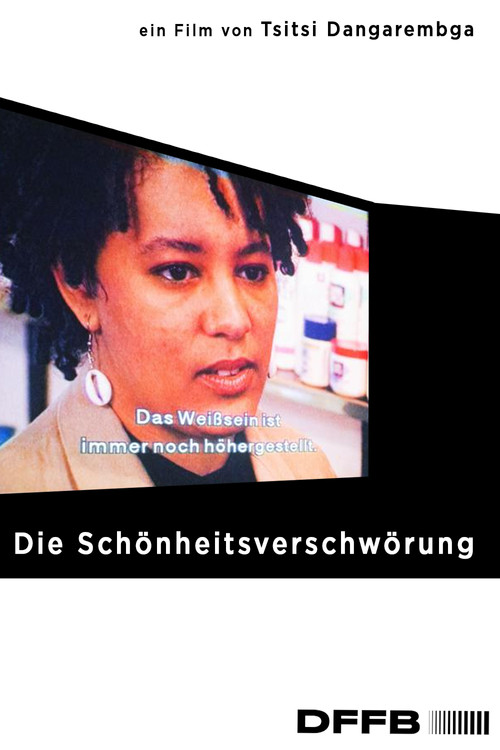
The Beauty Conspiracy 1994
Tsitsi Dangarembga's short documentary The Beauty Conspiracy (1994) peels back the layers of Berlin's Afro-inspired beauty salon scene on Kantstrasse, revealing more than just hair and makeup trends.
Director: Tsitsi Dangarembga
Frequently Asked Questions
What is The Beauty Conspiracy (1994) about?
This 14-minute documentary zooms in on an Afro beauty shop in Berlin's Kantstrasse, where customers share stories of life after German reunification. The film contrasts personal beauty routines with larger questions about cultural assimilation and self-image.
Who directed The Beauty Conspiracy?
The Beauty Conspiracy was directed by Tsitsi Dangarembga, a filmmaker and writer whose works often explore themes of identity and postcolonialism.
Who stars in The Beauty Conspiracy?
Director and cast details are not publicly available for this short documentary.
Is The Beauty Conspiracy (1994) worth watching?
As a 14-minute documentary, it's a concise yet thought-provoking dive into cultural beauty standards. While it lacks an IMDb rating, its themes of migration and identity make it a compelling watch for fans of social documentaries.
How long is The Beauty Conspiracy?
The Beauty Conspiracy runs for 14 minutes.
About The Beauty Conspiracy (1994) — A short documentary dissecting beauty, identity, and Berlin's Afro salon scene
Tsitsi Dangarembga's short documentary The Beauty Conspiracy (1994) peels back the layers of Berlin's Afro-inspired beauty salon scene on Kantstrasse, revealing more than just hair and makeup trends. Through wry, observational storytelling, the film captures the voices of customers navigating post-reunification Germany—where identity, beauty standards, and self-expression collide. As patrons discuss their daily rituals, from bleaching creams to hair straighteners, a rich tapestry of cultural adaptation emerges, blending personal anecdotes with sharp social commentary. The salon becomes a microcosm of broader societal shifts, where beauty isn't just skin-deep but a lens into history, migration, and belonging.
With a runtime of just 14 minutes, Dangarembga's documentary is a compact yet potent exploration of how beauty practices reflect larger narratives. The film's ironic tone underscores the tension between traditional and Eurocentric ideals, inviting viewers to question who dictates what's beautiful—and why. Set against the backdrop of a reunified Berlin still finding its footing, The Beauty Conspiracy (1994) offers a snapshot of resilience, creativity, and the quiet revolutions happening in everyday spaces.