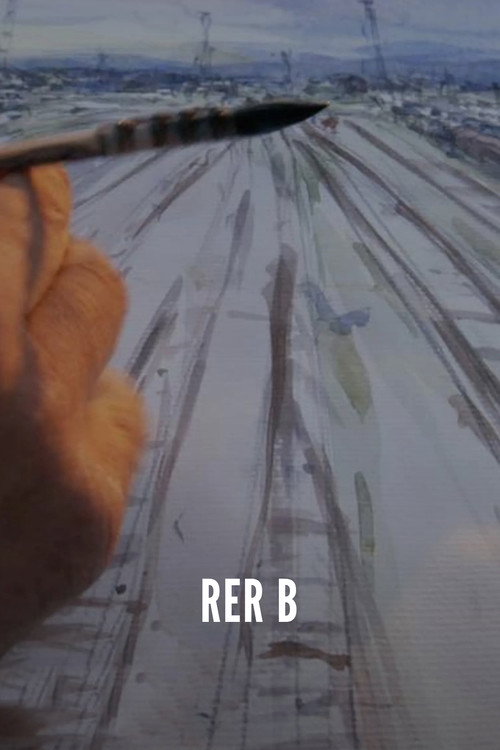
RER B 2017
Alice Diop's *RER B (2017)* transforms a fleeting moment in Drancy station into a mesmerizing visual poem.
Director: Alice Diop
Cast
Frequently Asked Questions
What is RER B (2017) about?
Alice Diop's *RER B* captures the fleeting moment when a Drancy train station's stark architecture inspires artist Benoît Peyrucq's watercolors. The 2-minute documentary blends urban realism with poetic transformation, turning a transit hub into a canvas of memory and motion.
Who directed RER B?
The short film was directed by acclaimed French filmmaker Alice Diop, known for her evocative documentaries that explore social and historical landscapes.
Who stars in RER B?
The film features French artist Benoît Peyrucq as the central figure, whose watercolors bring the station's lines to life.
Is RER B (2017) worth watching?
*RER B* may be brief, but its impact lingers. As a documentary blending art and urban life, it's a hidden gem for fans of minimalist storytelling and visual poetry. While it's unrated, its thoughtful composition makes it a standout short film worth seeking out.
How long is RER B?
The film runs for 2 minutes.
About RER B (2017) — A Short Film Where Urban Lines Become Art
Alice Diop's *RER B (2017)* transforms a fleeting moment in Drancy station into a mesmerizing visual poem. The French filmmaker delicately captures how the stark, utilitarian lines of a transit hub become the canvas for artist Benoît Peyrucq's watercolors, weaving together history, memory, and fleeting beauty. This short documentary transcends its minute-and-a-half runtime, offering a meditative pause on the interplay between urban landscapes and artistic expression, all bathed in the quiet magic of everyday moments.
Shot in a restrained yet evocative style, *RER B* turns a mundane commute into a subtle tribute to resilience and reflection. Diop's lens lingers on the textures of the station, while Peyrucq's brushstrokes animate walls otherwise dismissed as ordinary. The result is a hauntingly brief yet rich exploration of how places—especially those marked by time—can carry stories beyond their physical presence.