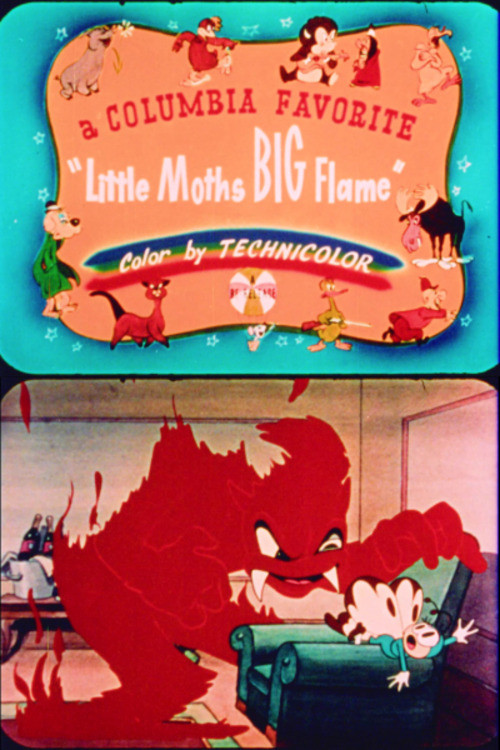
Little Moth's Big Flame 1938
Little Moth's Big Flame (1938) represents a charming entry in the golden age of American animation, crafted during an era when studios were experimenting boldly with color and sound.
Director: Sid Marcus
Frequently Asked Questions
What is Little Moth's Big Flame (1938) about?
This animated short follows the whimsical adventures of a small moth drawn to a brilliant flame, set to a musical narrative typical of Color Rhapsody productions. The film relies on visual storytelling and colorful animation to convey themes of curiosity and aspiration.
Who directed Little Moth's Big Flame?
The film was directed by Sid Marcus, a noted animator and director who worked extensively in the American animation industry during the 1930s and 1940s.
Who stars in Little Moth's Big Flame?
Cast information for this animated short is not available, as these vintage Color Rhapsody productions typically featured anonymous voice actors and focused on visual rather than vocal performance.
Is Little Moth's Big Flame (1938) worth watching?
As an unrated piece of animation history, this 8-minute short offers valuable insights for fans of classic cartoons and vintage filmmaking techniques. Its brief runtime makes it an accessible glimpse into 1930s animation style and creativity.
How long is Little Moth's Big Flame?
The runtime is 8 minutes, typical for animated theatrical shorts of the late 1930s era.
Little Moth's Big Flame (1938): Classic Animation Short — Full Movie Info
Little Moth's Big Flame (1938) represents a charming entry in the golden age of American animation, crafted during an era when studios were experimenting boldly with color and sound. This 8-minute Color Rhapsody showcases the whimsical artistry typical of late 1930s animated shorts, blending vibrant visuals with musical storytelling. Directed by Sid Marcus, the film exemplifies the creative spirit of pre-war animation, offering audiences a brief but enchanting journey into a world where imagination takes flight.
While specific plot details remain scarce, Color Rhapsodies were known for their abstract, music-driven narratives that relied heavily on visual spectacle rather than complex storylines. The title itself suggests themes of aspiration and determination, likely following a small protagonist with grand ambitions against a backdrop of colorful, surreal animation. These shorts served as delightful appetizers in movie theater programs, designed to transport viewers to fantastical realms through innovative animation techniques and synchronized sound. For animation historians and vintage film enthusiasts, Little Moth's Big Flame offers a window into the evolving art form of the late 1930s.