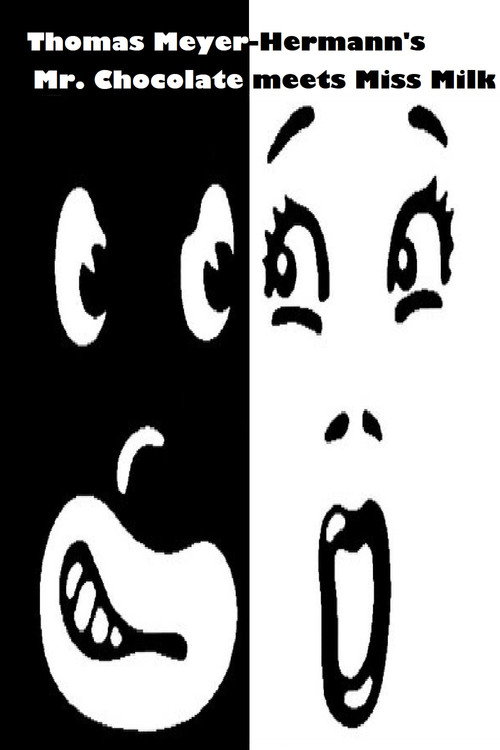
Mr. Chocolate Meets Miss Milk 1991
Mr. Chocolate Meets Miss Milk (1991) is a bold six-minute experimental short that blends cell animation, live-action footage, and early Atari-style computer graphics into a striking black-and-white commentary on racial and gender divides.
Director: Thomas Meyer-Hermann
Cast
Frequently Asked Questions
What is Mr. Chocolate Meets Miss Milk (1991) about?
The film follows two characters—Mr. Chocolate and Miss Milk—whose paths suggest a romantic connection, but their interactions reveal the tension between cultural stereotypes and personal connection. Using striking black-and-white visuals, the short critiques societal divisions through animation, live-action, and early digital effects.
Who directed Mr. Chocolate Meets Miss Milk?
Thomas Meyer-Hermann directed Mr. Chocolate Meets Miss Milk. Known for his innovative approach to animation and experimental filmmaking, Meyer-Hermann created a visually distinctive short that blends multiple styles.
Who stars in Mr. Chocolate Meets Miss Milk?
The main cast includes John Yamoha and Barbara Kraft in the leading roles, embodying the characters at the heart of this unconventional narrative.
Is Mr. Chocolate Meets Miss Milk (1991) worth watching?
Though unrated on IMDb, this six-minute experimental film appeals to fans of avant-garde animation and social commentary. Its bold visual style and thematic depth make it a curious watch for those interested in early digital and mixed-media storytelling, even if it's more of a niche piece than a mainstream hit.
How long is Mr. Chocolate Meets Miss Milk?
The film runs for 6 minutes.
About Mr. Chocolate Meets Miss Milk (1991) — A Surreal Short Film on Race and Identity
Mr. Chocolate Meets Miss Milk (1991) is a bold six-minute experimental short that blends cell animation, live-action footage, and early Atari-style computer graphics into a striking black-and-white commentary on racial and gender divides. Directed by Thomas Meyer-Hermann, the film uses surreal visuals to explore the awkward and often alienating interactions between two figures—one dark-skinned, the other light—who seem destined to meet but struggle to connect in a world defined by contrast and contradiction.
The result is an ironic, visually inventive satire that challenges viewers to reflect on identity, difference, and the barriers that both separate and define us. While its brevity and experimental style may not appeal to everyone, its unique aesthetic and thematic ambition make it a standout entry in early 1990s animation. A thought-provoking piece that lingers long after the credits roll.