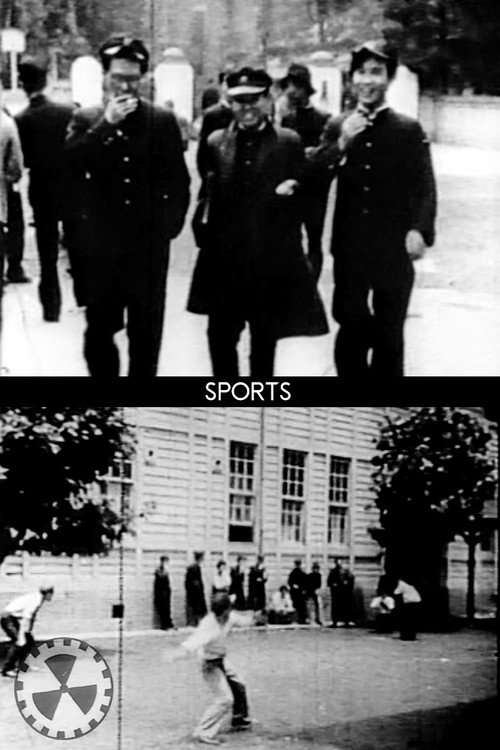
Sports 1932
Dive into the raw energy of early Japanese cinema with *Sports* (1932), a gritty 8-minute documentary-action hybrid that captures a fiery student protest.
Director: Senkichi Taniguchi
Frequently Asked Questions
What is Sports (1932) about?
*Sports* chronicles a real-life student protest at Waseda University after the administration restricted athletic facilities to only varsity athletes. The short film transforms this clash into a charged cinematic moment, blending documentary realism with dynamic action sequences.
Who directed Sports?
Sports was directed by Senkichi Taniguchi, a future legend of Japanese cinema who honed his craft during the student film movement at Waseda University.
Who stars in Sports?
Cast details for *Sports* (1932) are not officially recorded, but the film was produced by Waseda University's Film Circle, with student involvement including future directors like Yamamoto Satsuo and Taniguchi himself.
Is Sports (1932) worth watching?
With its documentary-action blend and historical significance, *Sports* offers a fascinating glimpse into early Japanese cinema. While short in runtime, its themes of protest and social justice make it a compelling watch for film historians and enthusiasts alike.
How long is Sports?
Sports runs for 8 minutes.
About Sports (1932) — How a Student Protest Fueled Early Japanese Cinema
Dive into the raw energy of early Japanese cinema with *Sports* (1932), a gritty 8-minute documentary-action hybrid that captures a fiery student protest. Directed by the young Senkichi Taniguchi—who would later helm classic films—Sports unfolds at Waseda University, where a shocking decision to limit sports facilities exclusively to athletes sparks outrage among excluded students. More than just a historical footnote, this short film showcases the rebellious spirit of 1930s campus life, blending documentary realism with kinetic action sequences that feel decades ahead of their time.
The film isn't just about sports; it's a mirror held up to societal inequities, where physical spaces and opportunities are weaponized against those who need them most. Taniguchi's direction, sharp and unflinching, lends the protest a cinematic urgency rarely seen in early Japanese filmmaking. The atmosphere is electric—tense, confrontational, yet rooted in the camaraderie of students united against injustice. *Sports* may be brief, but its impact lingers like the echo of a rallying cry.