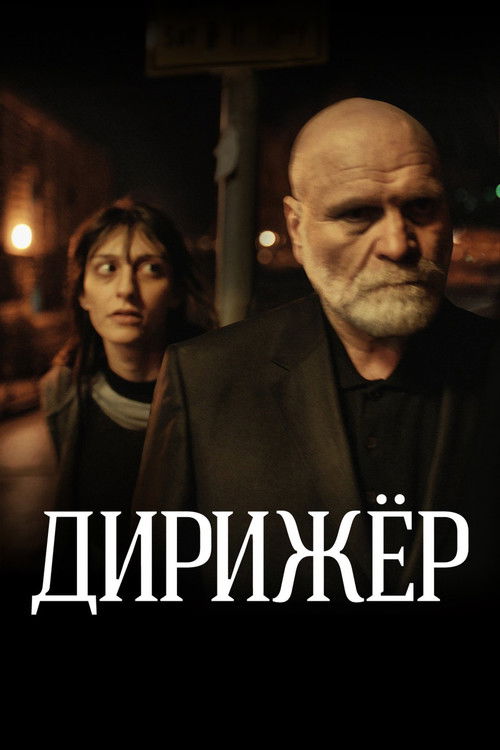
The Conductor 2012
Pavel Lungin's *The Conductor (2012)* is a deeply emotional drama that follows a renowned maestro—portrayed by Vladas Bagdonas—as he travels to Jerusalem with his orchestra to perform Bach's *St. Matthew Passion*.
Director: Pavel Lungin
Cast






Frequently Asked Questions
What is The Conductor (2012) about?
This drama centers on a celebrated conductor who travels to Jerusalem to perform Bach's *St. Matthew Passion*, only to learn of his son's suicide. Devastated, he must confront the unresolved tensions in their relationship and the painful truth he's spent years ignoring.
Who directed The Conductor?
Russian filmmaker Pavel Lungin, known for his introspective and visually rich dramas, directed *The Conductor (2012)*.
Who stars in The Conductor?
The film features Vladas Bagdonas as the conductor, alongside Darya Moroz, Sergey Koltakov, Inga Strelkova-Oboldina, and Sergey Barkovsky.
Is The Conductor (2012) worth watching?
*The Conductor* (2012) is a compelling watch for fans of thought-provoking dramas and character-driven storytelling. While it isn't widely rated, its themes of grief and redemption give it emotional depth. If you appreciate films about art's intersection with personal turmoil, this one lingers.
How long is The Conductor?
The runtime of *The Conductor (2012)* is 86 minutes.
About The Conductor (2012) — A Maestro's Journey Through Loss and Redemption
Pavel Lungin's *The Conductor (2012)* is a deeply emotional drama that follows a renowned maestro—portrayed by Vladas Bagdonas—as he travels to Jerusalem with his orchestra to perform Bach's *St. Matthew Passion*. Just before the concert, tragedy strikes when he learns of his estranged son's suicide in Israel, shattering his belief in their fractured relationship. As grief consumes him, the conductor's rigid worldview unravels, forcing him to confront the weight of denial and the fragility of human connection.
Set against the stark beauty of Jerusalem and the haunting resonance of Bach's choral masterpiece, the film explores themes of loss, forgiveness, and the burdens of artistic genius. Lungin crafts a visually striking and emotionally raw narrative, where silence often speaks louder than music. The story lingers long after the final note, leaving viewers to reflect on the silent rifts within families and the healing power—or destruction—of art.