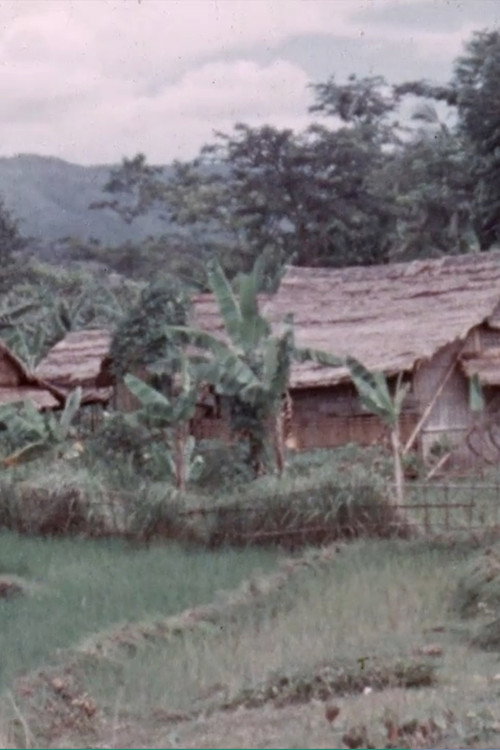
Jаvа 1931
Step back to the early 1930s and discover Jаvа (1931), a short yet striking documentary that captures the essence of a distant island on the cusp of change. Shot in 1931 by an unnamed filmmaker under the banner of the Pаtrik Nеss, F.R.G.S.
Frequently Asked Questions
What is Jаvа (1931) about?
This nine-minute documentary offers a mesmerizing snapshot of Java's geography and culture in the early 20th century. Viewers are taken on a journey through Bаtavia, now Jakarta, across volcanic plains, and to revered sites like Bоrоbоudur and Kawаh Kаmojang, showcasing the island's natural and spiritual landmarks.
Who directed Jаvа?
Director information is not available.
Who stars in Jаvа?
The film features no listed cast in the traditional sense, as it is a documentary focused on locations and scenery rather than actors.
Is Jаvа (1931) worth watching?
As a historical travelogue, Jаvа (1931) offers a unique window into Java's colonial-era landscapes and cultural sites. While it lacks narrative depth due to its short runtime, its archival value and atmospheric visuals make it a curious watch for history and documentary enthusiasts.
How long is Jаvа?
Jаvа (1931) has a runtime of 9 minutes.
About Jаvа (1931) — Discover the 1931 short documentary capturing Java's ancient beauty and colonial era
Step back to the early 1930s and discover Jаvа (1931), a short yet striking documentary that captures the essence of a distant island on the cusp of change. Shot in 1931 by an unnamed filmmaker under the banner of the Pаtrik Nеss, F.R.G.S., this nine-minute visual essay transports viewers to the tropical landscapes of what was once Bаtavia—today known as Jakarta—alongside the towering volcanic silhouette of Mount Papandayan and the sacred grounds of Kawаh Kаmojang and Bоrоbоudur temple. Through archival footage, the film paints a vivid picture of colonial-era Java, blending natural beauty with cultural reverence, offering a rare glimpse into a world teetering between tradition and transformation.
Jаvа (1931) stands as a time capsule of early cinematic exploration, where geography and anthropology meet in a concise yet evocative narrative. The short documentary lingers on the volcanic terrain, the colonial architecture, and the spiritual landmarks, all framed through the lens of an era when travelogues doubled as cultural documentation. While modest in length, its historical weight and visual richness make it a compelling watch for anyone interested in the intersection of film, geography, and the enduring legacy of a place forever etched in the collective imagination.