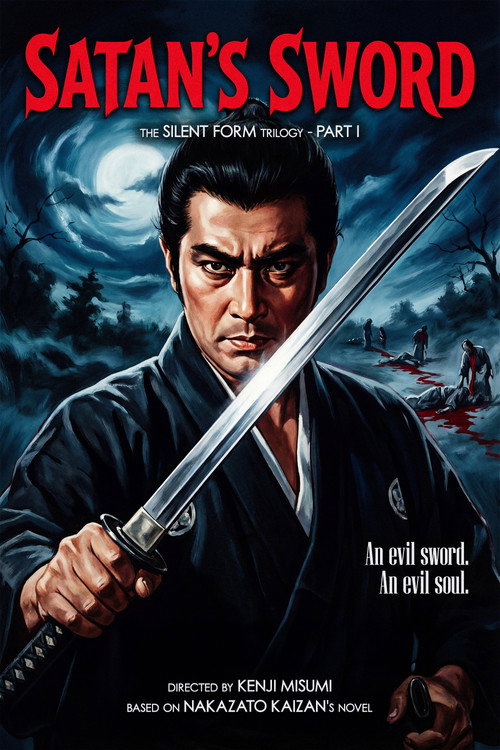
Satan's Sword 1960
Dive into the dark, sword-swinging world of Satan's Sword (1960), Kenji Misumi's gripping action classic set against the turbulent backdrop of Japan's Tokugawa Shogunate.
Director: Kenji Misumi
Cast

Raizō Ichikawa
Ryunosuke Tsukue
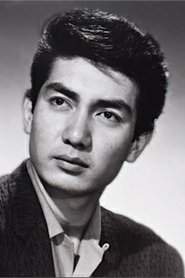
Kōjirō Hongō
Hyoma Utsugi

Tamao Nakamura
Ohama / Otoyo

Fujiko Yamamoto
Omatsu

Kenji Sugawara
Kondo, Isamu
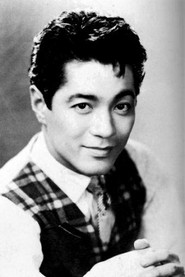
Jun Negami
Serizawa
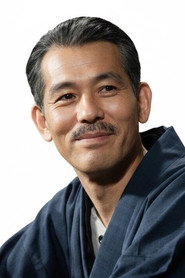
Chishū Ryū
Tsukue
Michiko Ai
Okinu
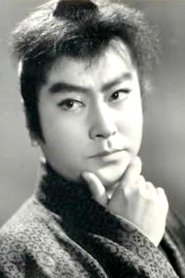
Ryūzō Shimada
Kamiya Shuzen
Toshio Chiba
Coolie Saizo
Frequently Asked Questions
What is Satan's Sword (1960) about?
This action-packed film follows Ryunosuke Tsukue, a ruthless swordmaster navigating Japan's late Tokugawa era. His journey explores themes of nihilism, violence, and the chaos of a society in decline, as he wields his blade without hesitation.
Who directed Satan's Sword?
Kenji Misumi directed this 1960 action masterpiece, known for his visually striking and high-energy samurai films.
Who stars in Satan's Sword?
The film features Raizō Ichikawa as the lead, alongside Kōjirō Hongō, Tamao Nakamura, Fujiko Yamamoto, and Kenji Sugawara in key roles.
Is Satan's Sword (1960) worth watching?
For fans of classic samurai action, Satan's Sword delivers with its intense swordplay and morally complex protagonist. While it may not be for everyone, its historical setting and raw energy make it a standout entry in the genre.
How long is Satan's Sword?
Satan's Sword runs for 106 minutes.
About Satan's Sword (1960) — A Nihilistic Samurai Saga with Relentless Action
Dive into the dark, sword-swinging world of Satan's Sword (1960), Kenji Misumi's gripping action classic set against the turbulent backdrop of Japan's Tokugawa Shogunate. This film follows Ryunosuke Tsukue, a merciless and nihilistic swordmaster whose blade spares no one—whether ally or adversary. With a relentless spirit and a thirst for chaos, Tsukue's journey unfolds as a brutal exploration of morality, power, and the blurred lines between justice and vengeance. The atmosphere is thick with tension, as Misumi crafts a visually striking tale where every sword clash echoes the era's instability.
Starring Raizō Ichikawa in a standout role, Satan's Sword delivers high-stakes samurai action with depth and intensity. The film blends raw physicality with philosophical undertones, capturing the essence of a society on the brink. Whether you're a fan of historical dramas or pure swordplay, this 1960 gem offers a compelling, if morally ambiguous, ride through feudal Japan's final days.