Tokyo Drifter 1966
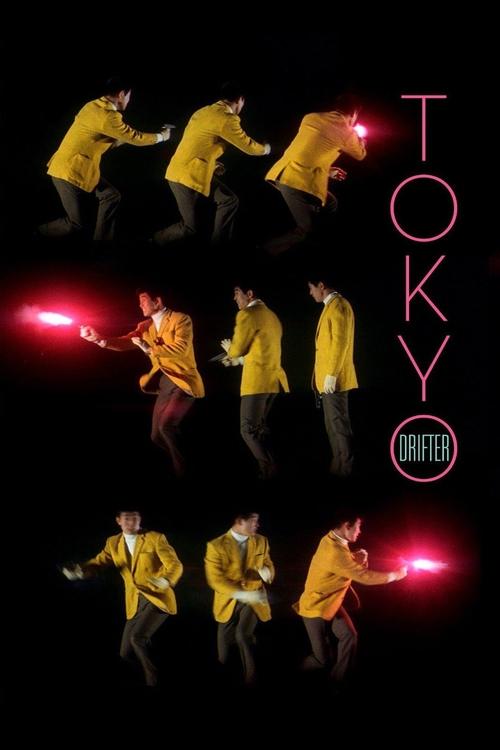
Seijun Suzuki's *Tokyo Drifter (1966)* is a neon-soaked crime thriller that blends razor-sharp action with a melancholic undercurrent.
Director: Seijun Suzuki
Cast

Tetsuya Watari
Tetsuya "Phoenix Tetsu" Hondo

Chieko Matsubara
Chiharu
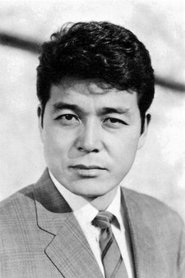
Hideaki Nitani
Kenji Aizawa

Tamio Kawachi
Tatsuzo the Viper
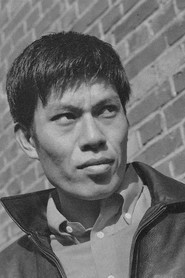
Eiji Gō
Tanaka

Tomoko Hamakawa
Mutsuko
Takeshi Yoshida
Keiichi
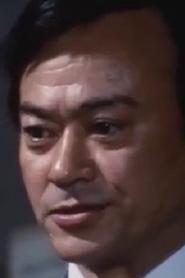
Isao Tamagawa
Umetani
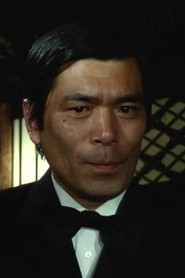
Eimei Esumi
Otsuka
Ryuji Kita
Kurata
Frequently Asked Questions
What is Tokyo Drifter (1966) about?
This crime thriller follows a loyal yakuza enforcer, Tetsuya 'Phoenix Tetsu' Hondo, who refuses to switch sides after his boss dissolves their empire. Pursued by a rival syndicate and a deadly assassin, he navigates a world of betrayal and violence in 1960s Tokyo.
Who directed Tokyo Drifter?
Seijun Suzuki directed *Tokyo Drifter*. Known for his visually striking and subversive style, Suzuki crafted a film that blends action with social commentary.
Who stars in Tokyo Drifter?
The film stars Tetsuya Watari as the lead, alongside Chieko Matsubara, Hideaki Nitani, Tamio Kawachi, and Eiji Gō in key roles.
Is Tokyo Drifter (1966) worth watching?
Absolutely—while its IMDb rating isn't listed, *Tokyo Drifter* is a cult favorite for its razor-sharp action, hypnotic visuals, and themes of loyalty and betrayal. Fans of Japanese noir or stylish crime dramas will find it a rewarding watch.
How long is Tokyo Drifter?
Tokyo Drifter runs for 83 minutes.
🎥 Trailer
About Tokyo Drifter (1966) — Stylish 1960s Crime Thriller with a Loyal Antihero
Seijun Suzuki's *Tokyo Drifter (1966)* is a neon-soaked crime thriller that blends razor-sharp action with a melancholic undercurrent. The story follows Tetsuya "Phoenix Tetsu" Hondo, a loyal enforcer for yakuza boss Kurata, as he finds himself hunted by a rival syndicate after refusing to abandon his principles. With slick gunfights, stylish chase sequences, and a moody jazz soundtrack, the film drips with 1960s Tokyo's gritty glamour. As Tetsu evades his relentless pursuer, the Viper, through rain-slicked streets and dimly lit bars, betrayal lurks in every shadow. Suzuki's bold visuals and Tetsuya Watari's charismatic performance turn this crime saga into a cult classic.
A tale of loyalty and survival, *Tokyo Drifter* pits one man's unshakable honor against a tide of ruthless ambition. The film's vibrant yet melancholic tone captures the bittersweet twilight of post-war Japan, where old codes of conduct clash with cold pragmatism. Its iconic imagery—pearl-handled guns, sharp suits, and neon-lit alleyways—has cemented its place in cinema history.