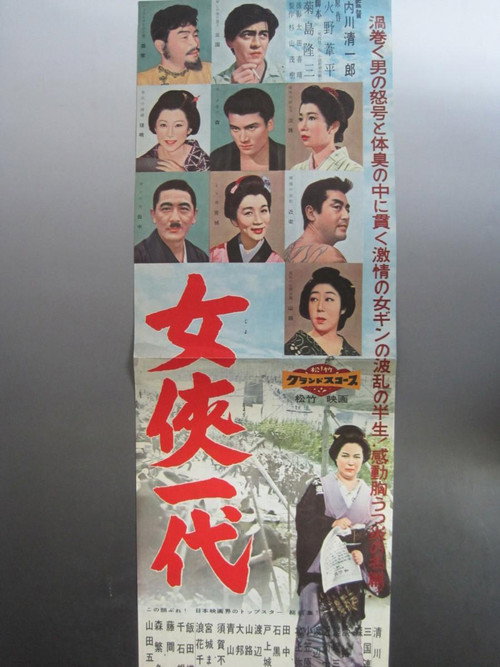
The Undefeated Woman 1958
Step into the gritty, action-packed world of *The Undefeated Woman (1958)*, directed by the skilled Seiichiro Uchikawa.
Director: Seiichiro Uchikawa
Cast
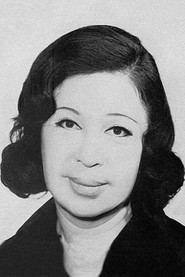
Nijiko Kiyokawa
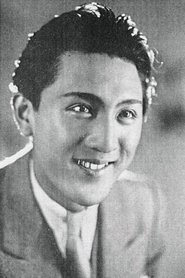
Haruo Tanaka

Keiko Awaji
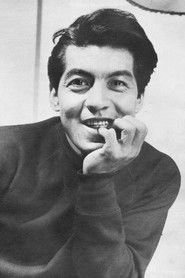
Rentaro Mikuni
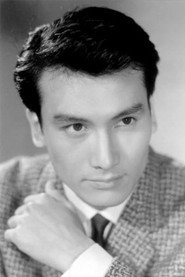
Miki Mori
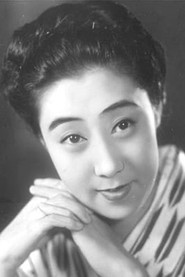
Isuzu Yamada
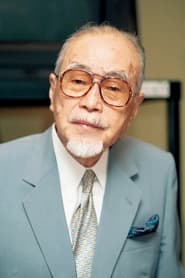
Hisaya Morishige
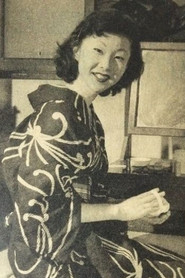
Michiko Saga
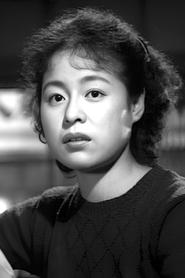
Noriko Sengoku
Toshio Nogi
Frequently Asked Questions
What is The Undefeated Woman (1958) about?
This action-packed drama follows a determined woman navigating a tumultuous post-war Japan, where she faces personal and societal challenges with unwavering grit. As she battles adversity, her journey becomes a testament to resilience and the power of standing firm in the face of injustice.
Who directed The Undefeated Woman?
Seiichiro Uchikawa directed *The Undefeated Woman (1958)*. While not as widely celebrated as some contemporaries, Uchikawa's work in this film showcases his knack for blending action with emotional depth.
Who stars in The Undefeated Woman?
The film stars Nijiko Kiyokawa, Haruo Tanaka, Keiko Awaji, Rentaro Mikuni, and Miki Mori in key roles.
Is The Undefeated Woman (1958) worth watching?
*The Undefeated Woman* may not boast an IMDb rating, but its genre—action with a side of gritty drama—makes it worth a watch for fans of classic Japanese films. The strong performances and intense atmosphere deliver a satisfying experience, though it's best for those who appreciate slower-burn narratives packed with substance.
How long is The Undefeated Woman?
The movie runs for 106 minutes, or just under two hours.
About The Undefeated Woman (1958) — Action Classic with Nijiko Kiyokawa's Fierce Protagonist
Step into the gritty, action-packed world of *The Undefeated Woman (1958)*, directed by the skilled Seiichiro Uchikawa. This hard-hitting drama unfolds against the backdrop of post-war Japan, where resilience and determination collide in the life of its formidable protagonist, played with fierce intensity by Nijiko Kiyokawa. Haruo Tanaka and Rentaro Mikuni add layers of depth to the story, bringing rugged charisma and moral complexity to their roles in this raw, unflinching exploration of survival and justice. As genres go, *The Undefeated Woman* leans firmly into action, but it's the emotional weight—rooted in themes of perseverance and defiance—that lingers long after the final scene. The atmosphere crackles with tension, blending the struggle of ordinary people against societal odds with the kind of relentless energy that keeps viewers on the edge of their seats.
With a runtime of 106 minutes, this film doesn't just entertain—it immerses. Uchikawa's direction ensures every punch lands with purpose, every glance speaks volumes, and the story builds to a climax that feels both earned and electrifying. For fans of gritty, character-driven action or those curious about classic Japanese cinema, *The Undefeated Woman (1958)* offers a compelling snapshot of an era defined by quiet rebellion and unshakable spirit.